|
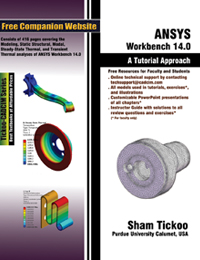
ANSYS
Workbench 14.0: A Tutorial Approach
|
New Material Added
to This Page |
|
ANSYS
Workbench 14.0: A Tutorial Approach
|
New Material Added
to This Page |
|
Description
The following are some additional features of this
book:
Brief Table
of Contents |
The "refresh free" aspect of ViewerFrame mode takes this concept a step further by eliminating the need for periodic refreshes or updates to be tied to specific licensing agreements or subscription models. In a refresh free environment, users are granted the freedom to access and utilize software applications without the constraints of traditional software licensing models. This not only provides users with greater flexibility but also empowers them to explore and experiment with software applications without the fear of incurring additional costs.
In conclusion, the ViewerFrame mode refresh free approach represents a refreshing and innovative approach to software design and development. By providing users with greater flexibility, autonomy, and accessibility, ViewerFrame mode has the potential to unlock new possibilities for software utilization and development, driving growth, innovation, and collaboration across various industries and sectors. viewerframe mode refresh free
In the realm of software development, innovation and accessibility have become the guiding principles for many forward-thinking companies. One such concept that has gained significant traction in recent years is the "ViewerFrame mode refresh free" approach. This paradigm shift in software design has not only redefined the way we interact with applications but has also opened up new avenues for users to explore and utilize software without the constraints of traditional licensing models. The "refresh free" aspect of ViewerFrame mode takes
As the software industry continues to evolve, it is clear that ViewerFrame mode refresh free will play an increasingly important role in shaping the future of software development and utilization. With its potential to empower users, foster collaboration, and drive innovation, ViewerFrame mode is poised to become a leading paradigm for software design and development. In conclusion, the ViewerFrame mode refresh free approach
The ViewerFrame mode refresh free approach represents a significant shift in software design and development. By providing users with greater flexibility, autonomy, and accessibility, ViewerFrame mode has the potential to revolutionize the way we interact with software applications. As this technology continues to evolve, it is essential to address the challenges and limitations associated with its implementation, ensuring that the benefits of ViewerFrame mode are realized for users across various industries and sectors.