The combination of V Networks and Motion Picture Java is revolutionizing the film industry. By providing a powerful, flexible, and efficient solution for movie production, these technologies are enabling filmmakers to create better movies than ever before. As the film industry continues to evolve, we can expect to see even more innovative applications of V Networks and MPJ. Whether you're a filmmaker, a movie enthusiast, or simply a tech-savvy individual, the future of cinema has never looked brighter.
V Networks, short for Virtual Networks, refer to a set of interconnected virtual machines that communicate with each other to achieve a common goal. In the context of film production, V Networks enable the creation of a virtualized environment that streamlines various aspects of movie-making, such as editing, visual effects, and sound design. By leveraging the power of virtualization, filmmakers can collaborate more efficiently, reduce costs, and improve overall productivity. v networks motion picture java best better
The film industry has undergone a significant transformation in recent years, with the advent of cutting-edge technologies and innovative software solutions. One such development that has caught the attention of filmmakers and movie enthusiasts alike is the integration of V Networks and Motion Picture Java. In this article, we'll explore how this powerful combination is revolutionizing the world of cinema and making movies better than ever before. The combination of V Networks and Motion Picture
Motion Picture Java (MPJ) is a specialized software framework designed specifically for the film industry. It provides a comprehensive set of tools and libraries that enable developers to create high-performance, visually stunning applications for movie production. MPJ is built on top of the popular Java programming language, which offers a unique combination of platform independence, strong security features, and vast community support. Whether you're a filmmaker, a movie enthusiast, or
The combination of V Networks and Motion Picture Java is revolutionizing the film industry. By providing a powerful, flexible, and efficient solution for movie production, these technologies are enabling filmmakers to create better movies than ever before. As the film industry continues to evolve, we can expect to see even more innovative applications of V Networks and MPJ. Whether you're a filmmaker, a movie enthusiast, or simply a tech-savvy individual, the future of cinema has never looked brighter.
V Networks, short for Virtual Networks, refer to a set of interconnected virtual machines that communicate with each other to achieve a common goal. In the context of film production, V Networks enable the creation of a virtualized environment that streamlines various aspects of movie-making, such as editing, visual effects, and sound design. By leveraging the power of virtualization, filmmakers can collaborate more efficiently, reduce costs, and improve overall productivity.
The film industry has undergone a significant transformation in recent years, with the advent of cutting-edge technologies and innovative software solutions. One such development that has caught the attention of filmmakers and movie enthusiasts alike is the integration of V Networks and Motion Picture Java. In this article, we'll explore how this powerful combination is revolutionizing the world of cinema and making movies better than ever before.
Motion Picture Java (MPJ) is a specialized software framework designed specifically for the film industry. It provides a comprehensive set of tools and libraries that enable developers to create high-performance, visually stunning applications for movie production. MPJ is built on top of the popular Java programming language, which offers a unique combination of platform independence, strong security features, and vast community support.
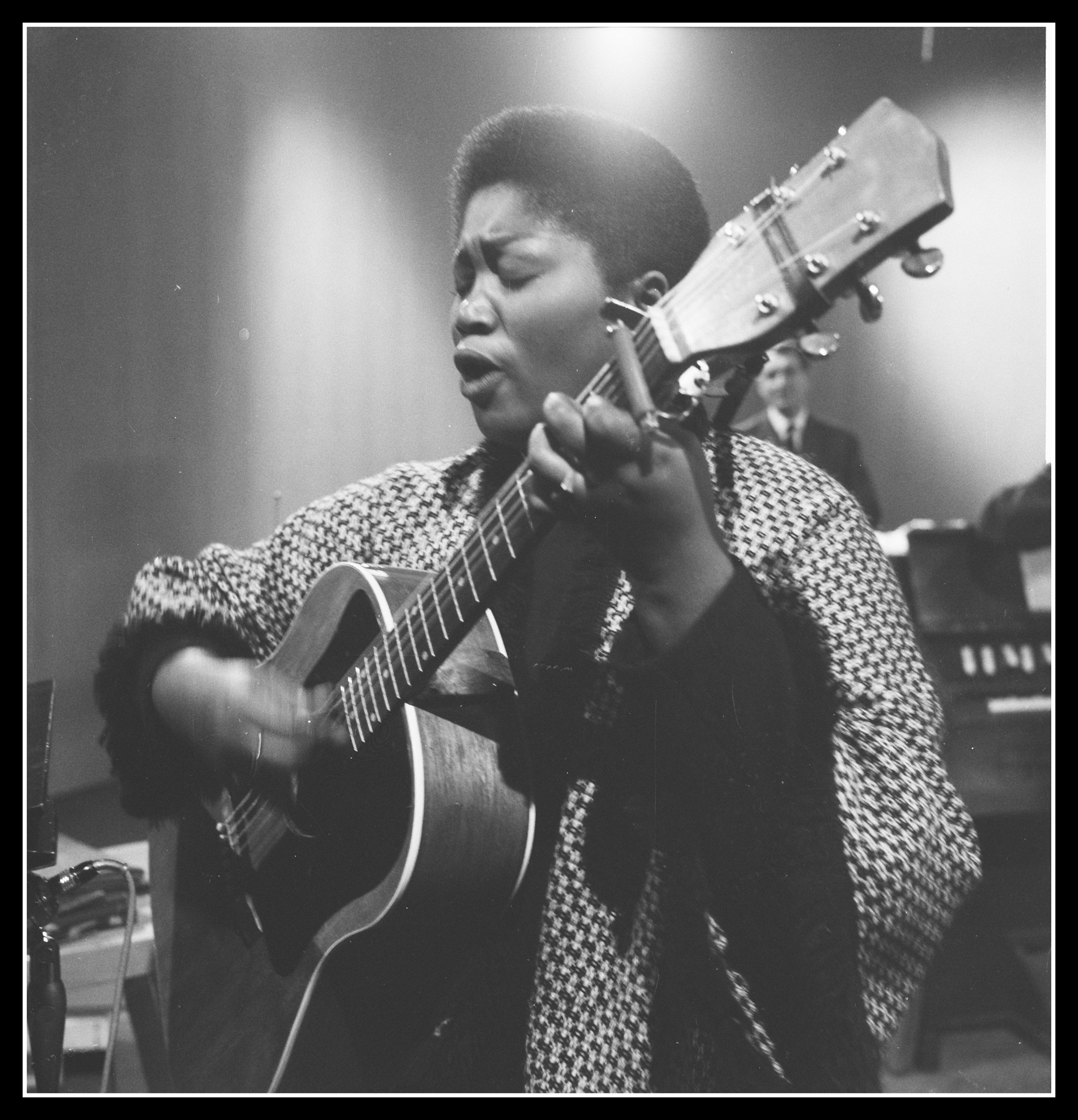
Odetta was one of the defining voices of American folk music. Though she had been trained in classical music, she was drawn to spirituals, work songs, traditional ballads, and blues. These songs told the stories of true life – of struggle and of those who overcame oppression. Odetta used her theater training and deep resonant voice to bring these messages to life. Her work inspired later artists like Bob Dylan and Joan Baez, served as a soundtrack for the social reforms of the 1960s, and led to her honorary title as “The Voice of the Civil Rights Movement” and “The Queen of Folk Music.
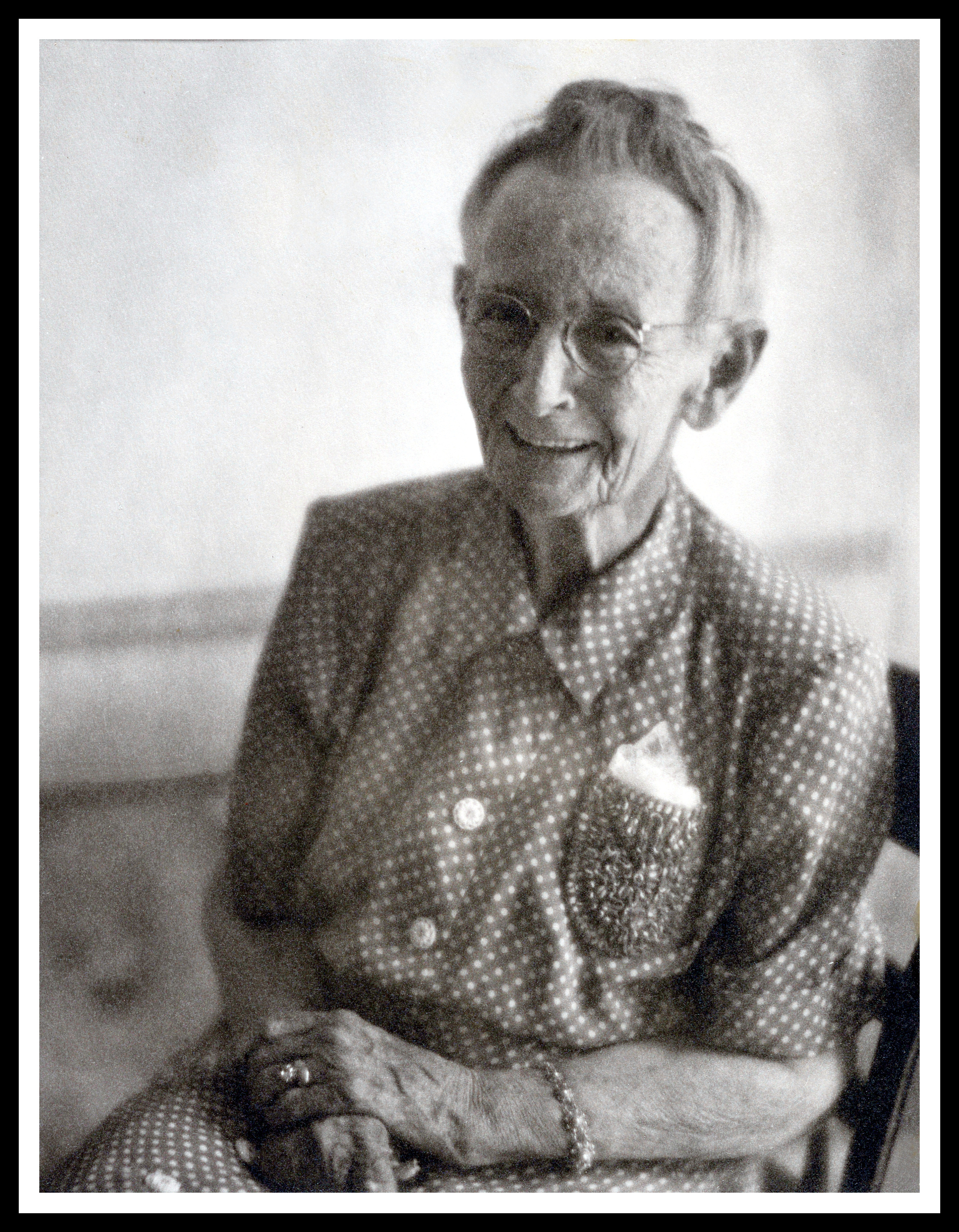
Anna Mary Moses spent the last twenty years of her life as a beloved and celebrated artist after a hobby became an occupation in the most astonishing way.
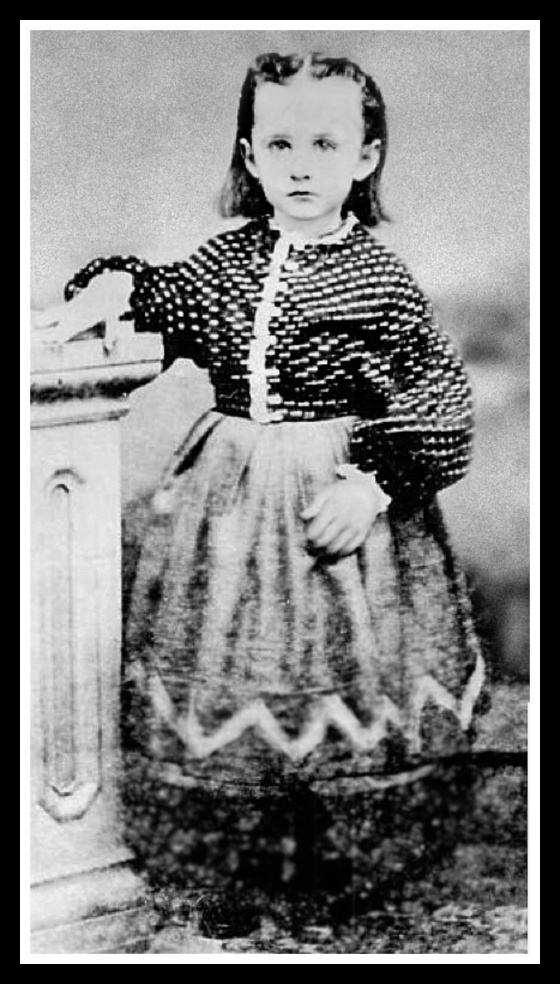
Anna Mary Moses was born when Abraham Lincoln was president and died when John Kennedy was; she lived through one Civil, and two World wars, and was one of the first women in the US to legally vote. Because her life was so full, she didn’t take up painting as her primary hobby until she was in her 70s, and was on a rocketship of world fame as a celebrated artist until she was in her 80s.