Stefan F. Dieffenbacher, M.B.A.
Founder and CEO of Digital Leadership
As Indian cuisine continues to evolve, it faces challenges from globalization, urbanization, and changing consumer preferences. However, with the growing interest in healthy, sustainable, and authentic food, Indian cuisine is poised to make a significant impact on the global culinary landscape.
Indian lifestyle and cooking traditions are a reflection of the country's rich history, cultural diversity, and geographical complexity. With its vibrant spices, diverse regional cuisines, and emphasis on vegetarianism, Indian cuisine is a culinary journey like no other. As we look to the future, it's clear that Indian cuisine will continue to evolve, adapt, and thrive, offering a delicious and authentic experience for food lovers around the world. Whether you're a seasoned foodie or a culinary newcomer, Indian cuisine has something to offer everyone – a flavor of tradition, a dash of innovation, and a pinch of love. tamil desi aunty sex video top
The rise of modern Indian cuisine, which combines traditional techniques with modern ingredients and flavors, has given birth to a new generation of Indian chefs and food entrepreneurs. With its rich history, cultural significance, and adaptability, Indian cuisine is sure to continue to thrive, both at home and abroad. As Indian cuisine continues to evolve, it faces
India, a land of vibrant diversity and rich cultural heritage, is home to a plethora of lifestyle and cooking traditions that have been passed down through generations. The country's culinary landscape is a reflection of its history, geography, and cultural influences, making it one of the most exciting and varied in the world. In this article, we will embark on a journey to explore the intricacies of Indian lifestyle and cooking traditions, delving into the spices, ingredients, techniques, and philosophies that make Indian cuisine so beloved globally. With its vibrant spices, diverse regional cuisines, and
Geography has also played a significant role in shaping Indian cuisine, with the country's diverse climate, soil, and water conditions giving rise to a wide range of ingredients and cooking techniques. The southern states of India, for example, are known for their use of coconut, tamarind, and spices, while the northern regions are famous for their rich, creamy sauces and tandoori cooking.
Indian cuisine has been shaped by the country's complex history, with various empires and dynasties leaving their mark on the culinary landscape. The ancient Indus Valley Civilization, for instance, introduced the concept of crop rotation, irrigation, and granaries, which laid the foundation for India's agricultural practices. The Mughal Empire, which ruled India from the 16th to the 19th century, brought with it a rich culinary heritage, introducing dishes like biryani, kebabs, and haleem.
Let’s find the best solution for your business to grow and scale sustainably!
We will uncover your current business situation and goals and provide you with a bespoke solution that helps you drastically grow your business working with us.


Founder and CEO of Digital Leadership


Read the reviews and make sure that this is not a waste of time, but a super effective tool.

Let’s find the best solution for your business to grow and scale sustainably!


Let’s find the best solution for your business to grow and scale sustainably!
We will uncover your current business situation and goals and provide you with a bespoke solution that helps you drastically grow your business working with us.

Founder and CEO of Digital Leadership
Read the reviews and make sure that this is not a waste of time, but a super effective tool.
Let’s find the best solution for your business to grow and scale sustainably!

On this call, we will uncover your current business situation and goals and talk about how to drive change and solve your need.

Welcome to our scheduling page.
Choose the meeting type that applies to your needs and schedule a time to meet with someone from our team.
We look forward to speaking with you soon!
Let’s find the best solution for your business to grow and scale sustainably!

On this call, we will uncover your current business situation and goals and talk about how to drive change and solve your need.
Welcome to our scheduling page.
Choose the meeting type that applies to your needs and schedule a time to meet with someone from our team.
We look forward to speaking with you soon!
Let’s find the best solution for your business to grow and scale sustainably!

On this call, we will uncover your current business situation and goals and talk about how to drive change and solve your need.
Welcome to our scheduling page.
Choose the meeting type that applies to your needs and schedule a time to meet with someone from our team.
We look forward to speaking with you soon!

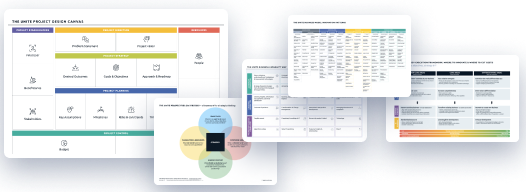
In a uniquely designed 60 or 90 minute session*, we will …
Based on the Blueprinting session, you will receive a tailored blueprint that aligns with your objectives, vision and goals, ensuring that your initiative is a success from start to finish.

In this session, you will be working together with Patrick Zimmermann, Associate Partner for Customer Experience


In a uniquely designed 60 or 90 minute session*, we will …
Based on the Blueprinting session, you will receive a tailored blueprint that aligns with your objectives, vision and goals, ensuring that your initiative is a success from start to finish.

In this session, you will be working together with Dr. Andreas Rein, Partner at Digital Leadership for Culture & Org Change


In a uniquely designed 60 or 90 minute session*, we will …
Based on the Blueprinting session, you will receive a tailored blueprint that aligns with your objectives, vision and goals, ensuring that your initiative is a success from start to finish.

In this session, you will be working together with Sascha Martini, Partner at Digital Leadership for Innovation and Digital Transformation
In a uniquely designed 60 or 90 minute session*, we will …
Based on the Blueprinting session, you will receive a tailored blueprint that aligns with your objectives, vision and goals, ensuring that your initiative is a success from start to finish.

In this session, you will be working together with Stefan F. Dieffenbacher, Founder of Digital Leadership
Stefan is a global thought leader in the innovation space
In a uniquely designed 60 or 90 minute session*, we will …
Based on the Blueprinting session, you will receive a tailored blueprint that aligns with your objectives, vision and goals, ensuring that your initiative is a success from start to finish.

In this session, you will be working together with Adam D. Wisniewski, Partner for IT Strategy & Business Alignment
Let’s find the best solution for your business to grow and scale sustainably!

On this call, we will uncover your current business situation and goals and talk about how to drive change and solve your need.
Welcome to our scheduling page.
Choose the meeting type that applies to your needs and schedule a time to meet with someone from our team.
We look forward to speaking with you soon!
Let’s find the best solution for your business to grow and scale sustainably!

On this call, we will uncover your current business situation and goals and talk about how to drive change and solve your need.
Welcome to our scheduling page.
Choose the meeting type that applies to your needs and schedule a time to meet with someone from our team.
We look forward to speaking with you soon!
Let’s find the best solution for your business to grow and scale sustainably!

On this call, we will uncover your current business situation and goals and talk about how to drive change and solve your need.
Welcome to our scheduling page.
Choose the meeting type that applies to your needs and schedule a time to meet with someone from our team.
We look forward to speaking with you soon!
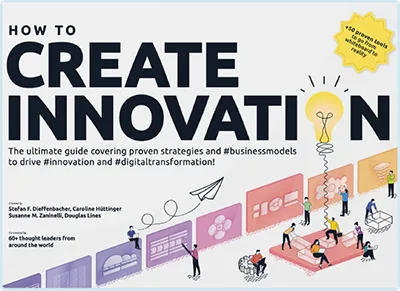 Book How to Create Innovation