
Arch Pro is a precision-tuned LOG to REC709 LUT system built specifically for the Pocket Cinema Camera 4K, 6K, and 6K Pro. The base set includes a Natural LUT along with Filmic and Vibrant character LUTs—each one uniquely matched to your camera’s sensor and LOG profile. This isn’t one-size-fits-all, it’s one-for-each, engineered for color that just works.
Want more? The Plus and Premium Bundles unlock stylized Film Looks and DaVinci Wide Gamut support for Resolve users.




Whether you’re a filmmaker, YouTuber, or weekend warrior, if you're working with Pocket 4K, 6K, or 6K Pro footage, this is the fastest way to make it shine. Arch Pro enhances highlight rolloff, improves skin tone, and just looks good.
Import Arch Pro LUTs right into your Pocket Cinema Camera to preview the colors live — great for livestreams, fast turnarounds, or video village. Burn it in if you want. Shoot LOG and tweak later if you don’t.
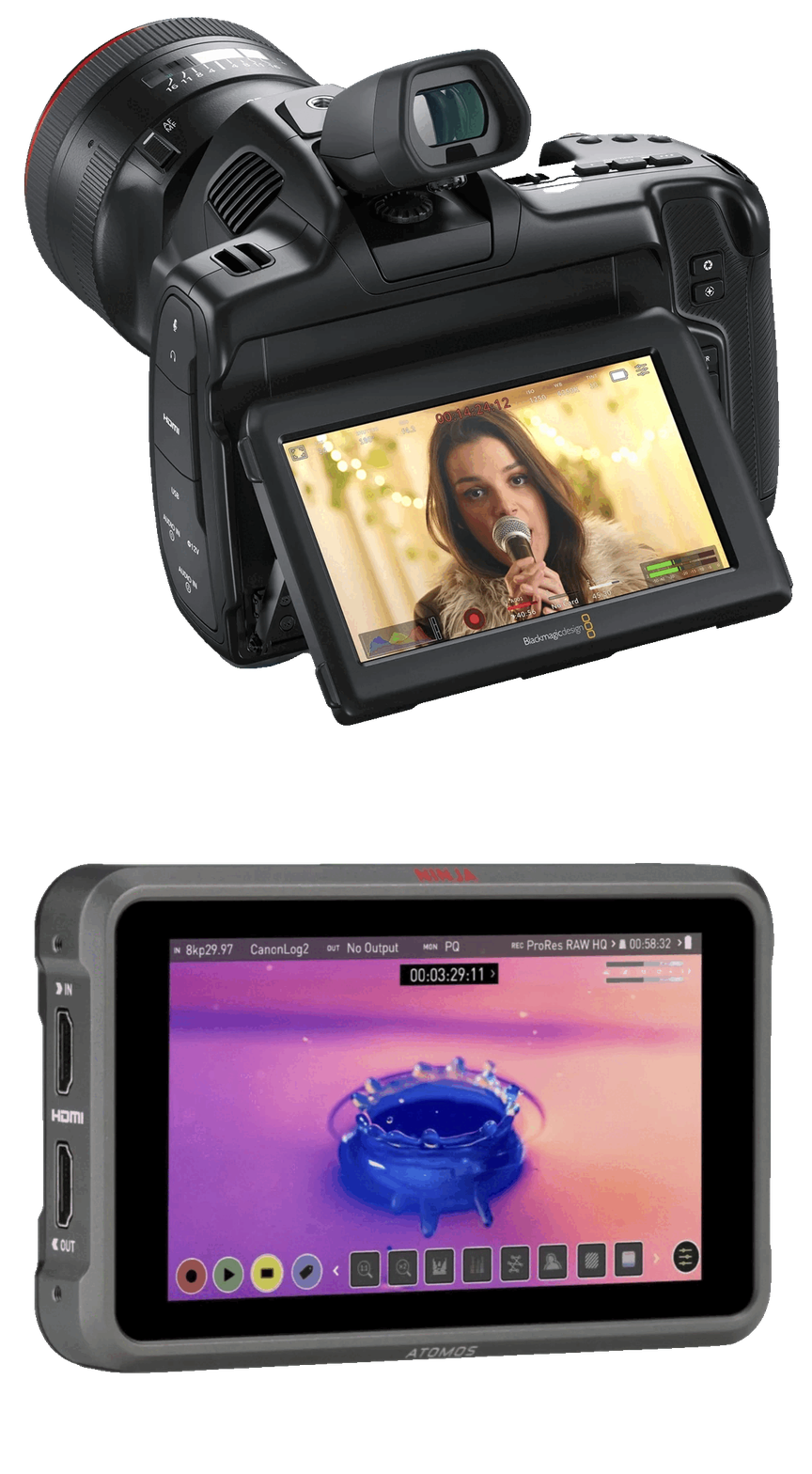

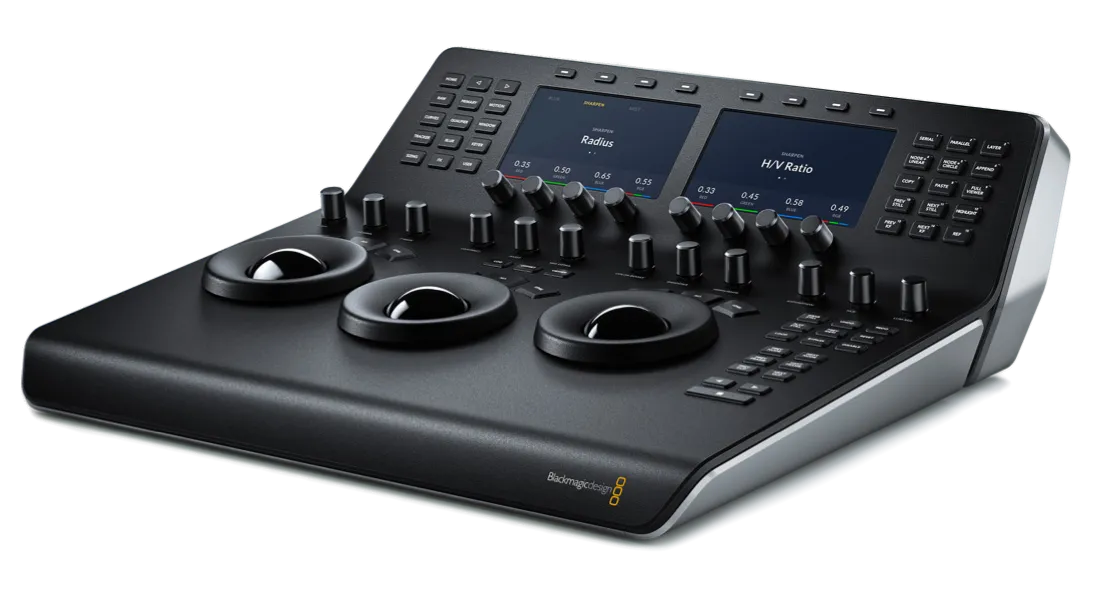
Create a cohesive cinematic look without obsessing over complex node trees. Whether you’re cutting a music video or a doc on a deadline, these LUTs hold their own — and still play nice with secondary grading and effects.

Arch Pro Plus adds 12 pre-built Film Looks that range from elegant monochromes to punchy stylization. Everything from a Black & White so classy it’d make Fred Astaire jump for joy to a Teal & Orange that could coax a single tear down Michael Bay’s cheek.


Arch Pro Premium unlocks a secret weapon: DaVinci Wide Gamut support. No Rec709 bakes. No locked-in looks. Just a clean, accurate conversion into DaVinci’s modern color space — built for real post workflows and future-proof grades.


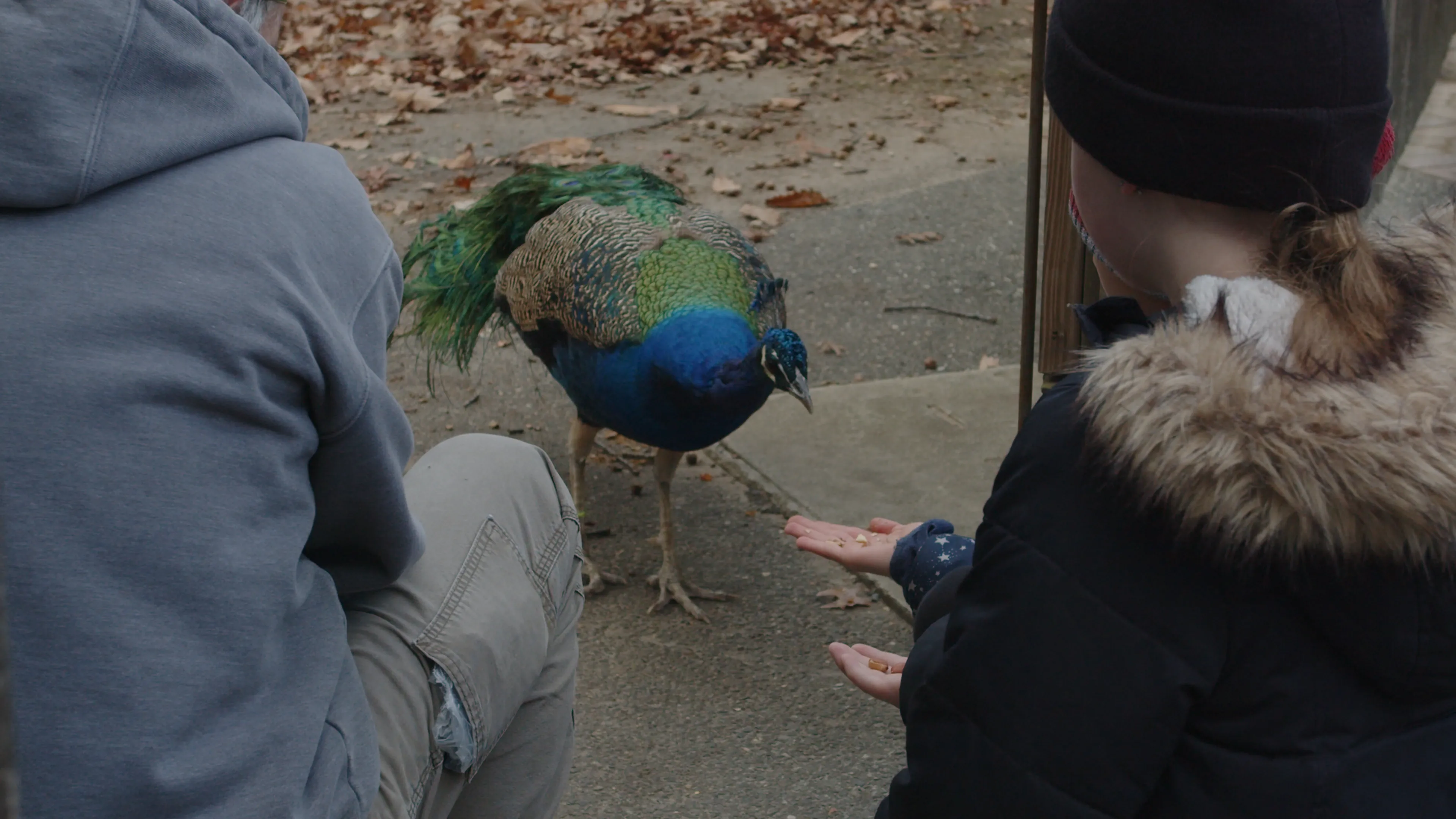
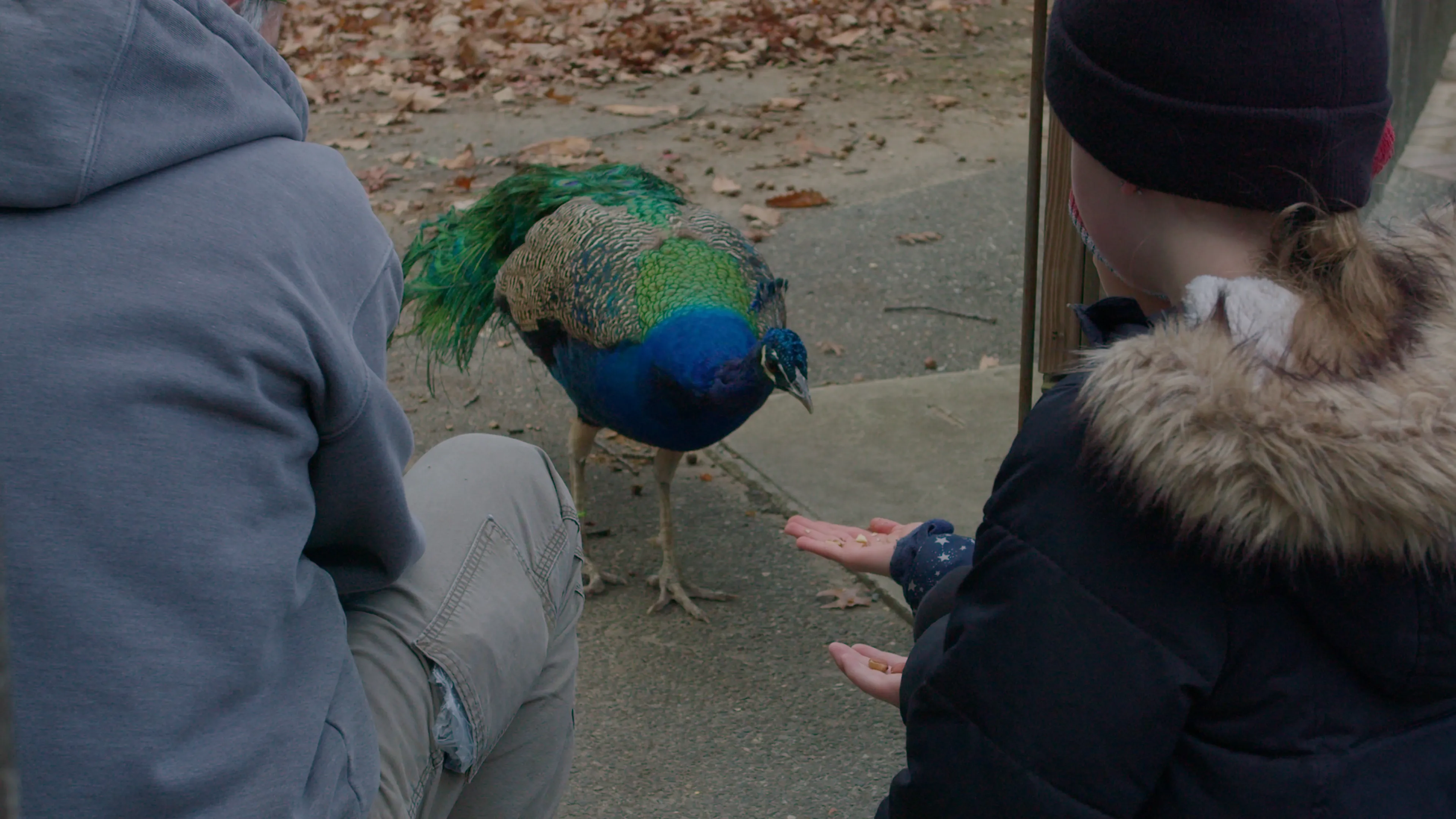
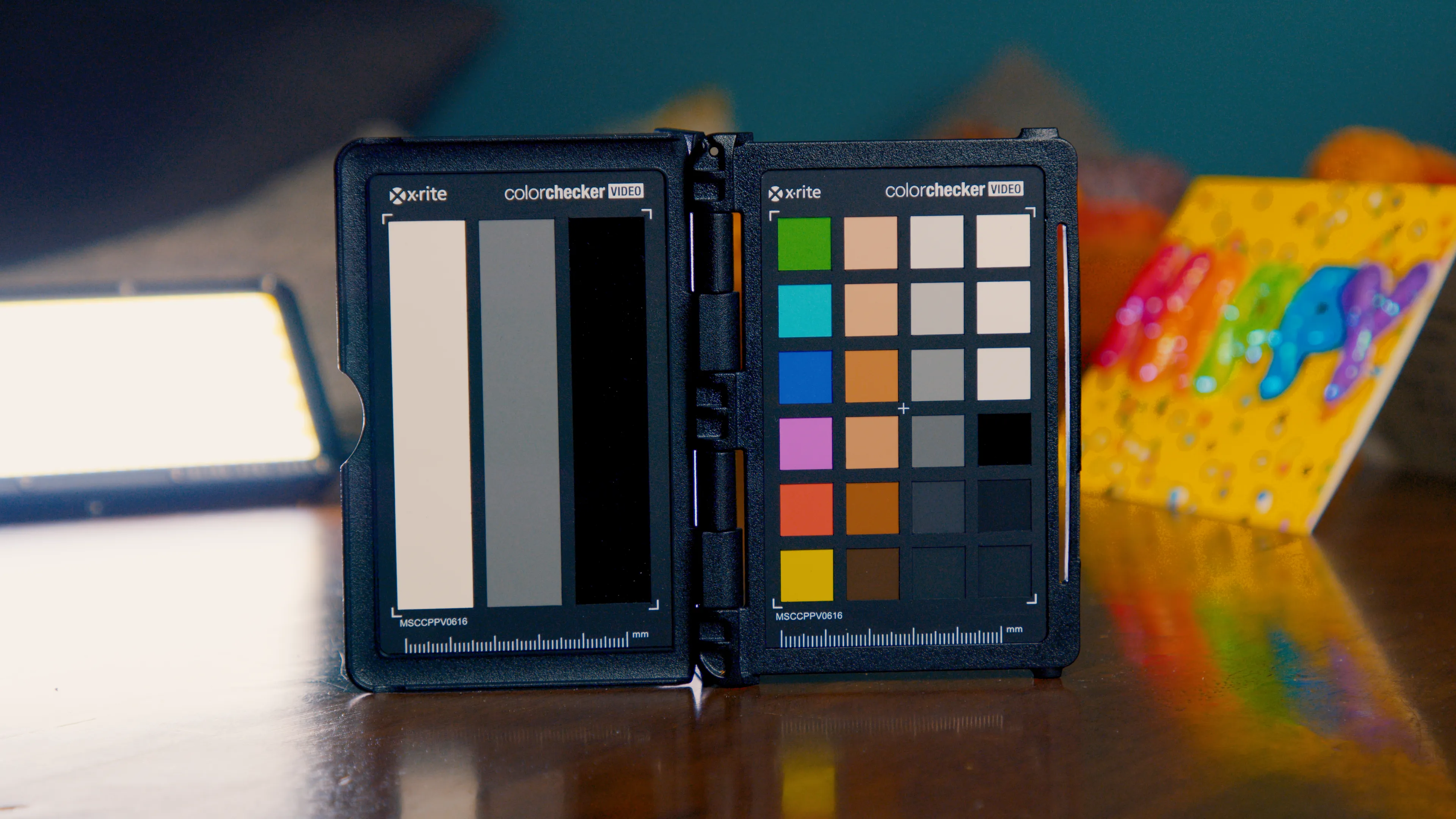
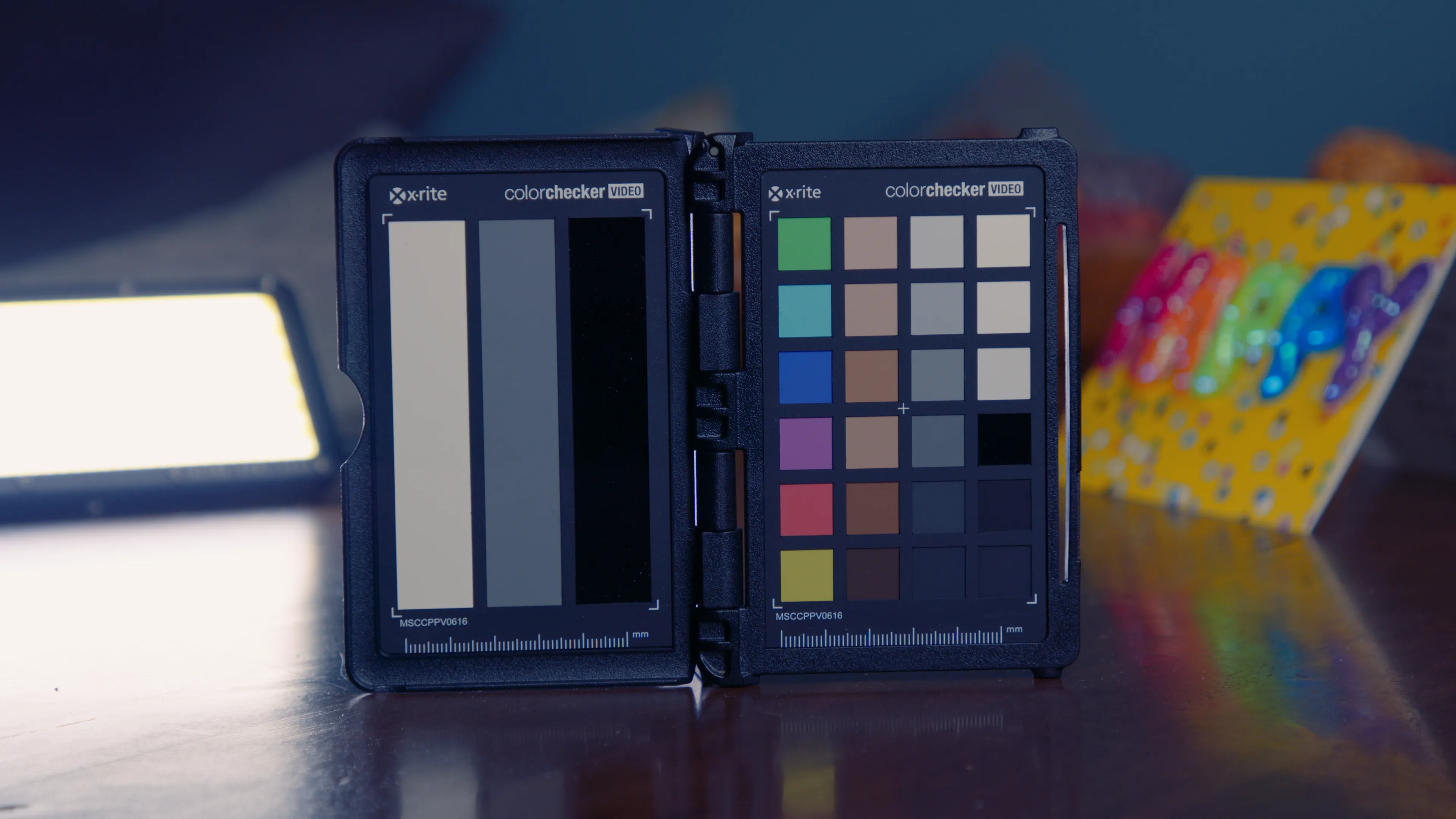
All of these examples were shot in BRAW with Gen 5 color science. On the left: Blackmagic’s built-in Extended Video LUT. On the right: Arch Pro Natural.
This isn't showing a LOG-to-Rec709 miracle like most do, this is comparing what you’d actually get side-by-side. The difference between good enough
and being there.
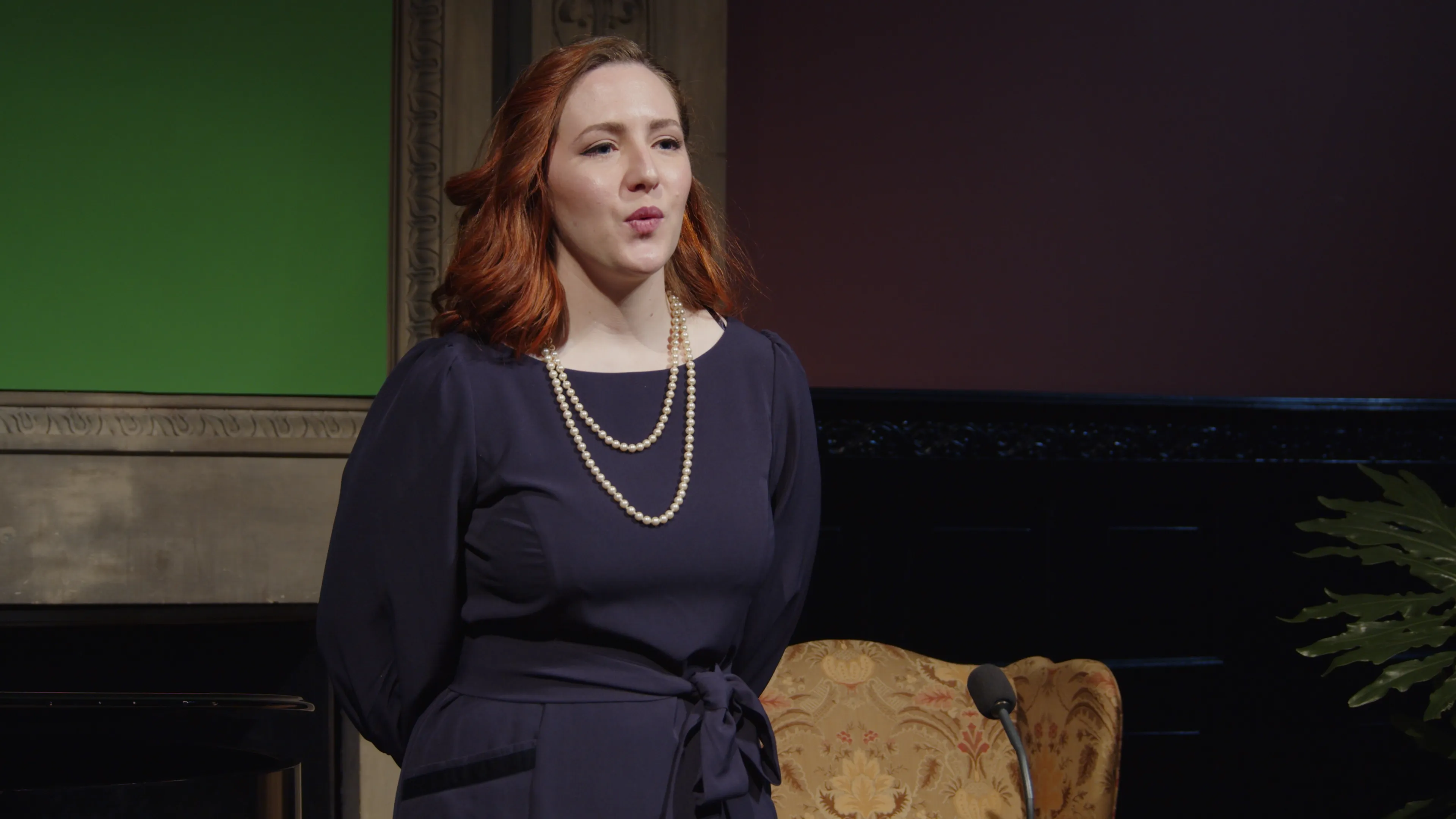
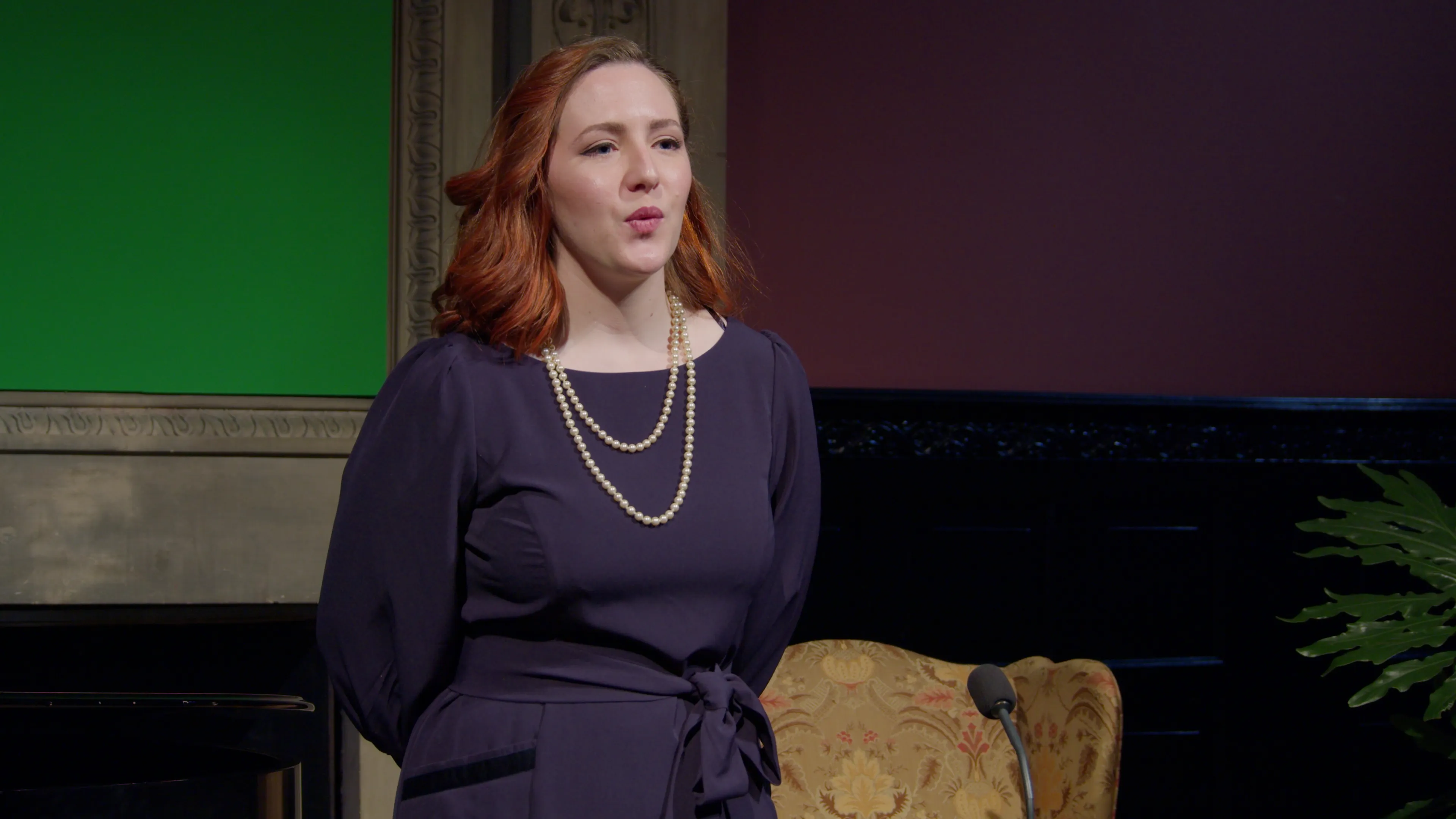
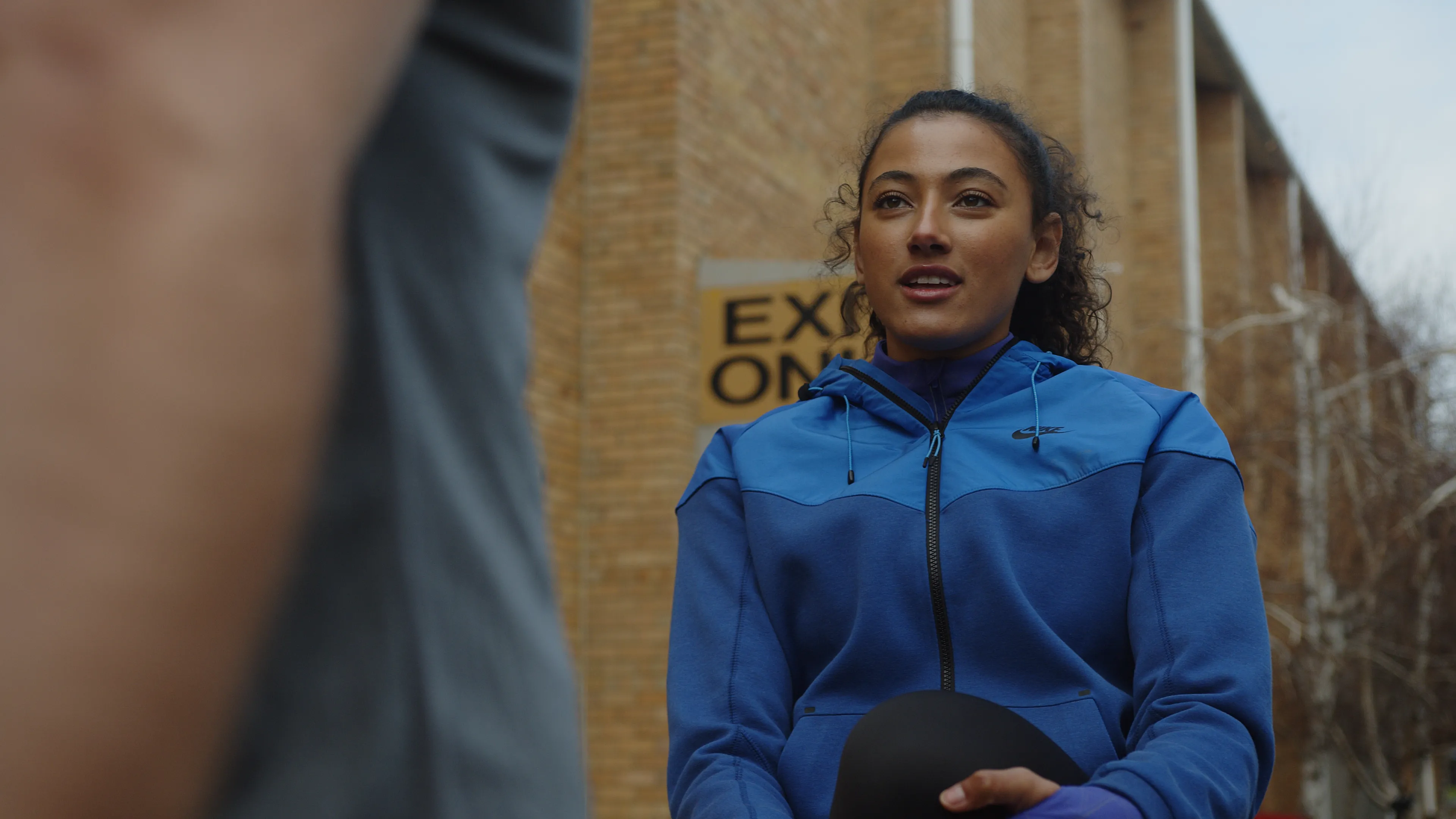
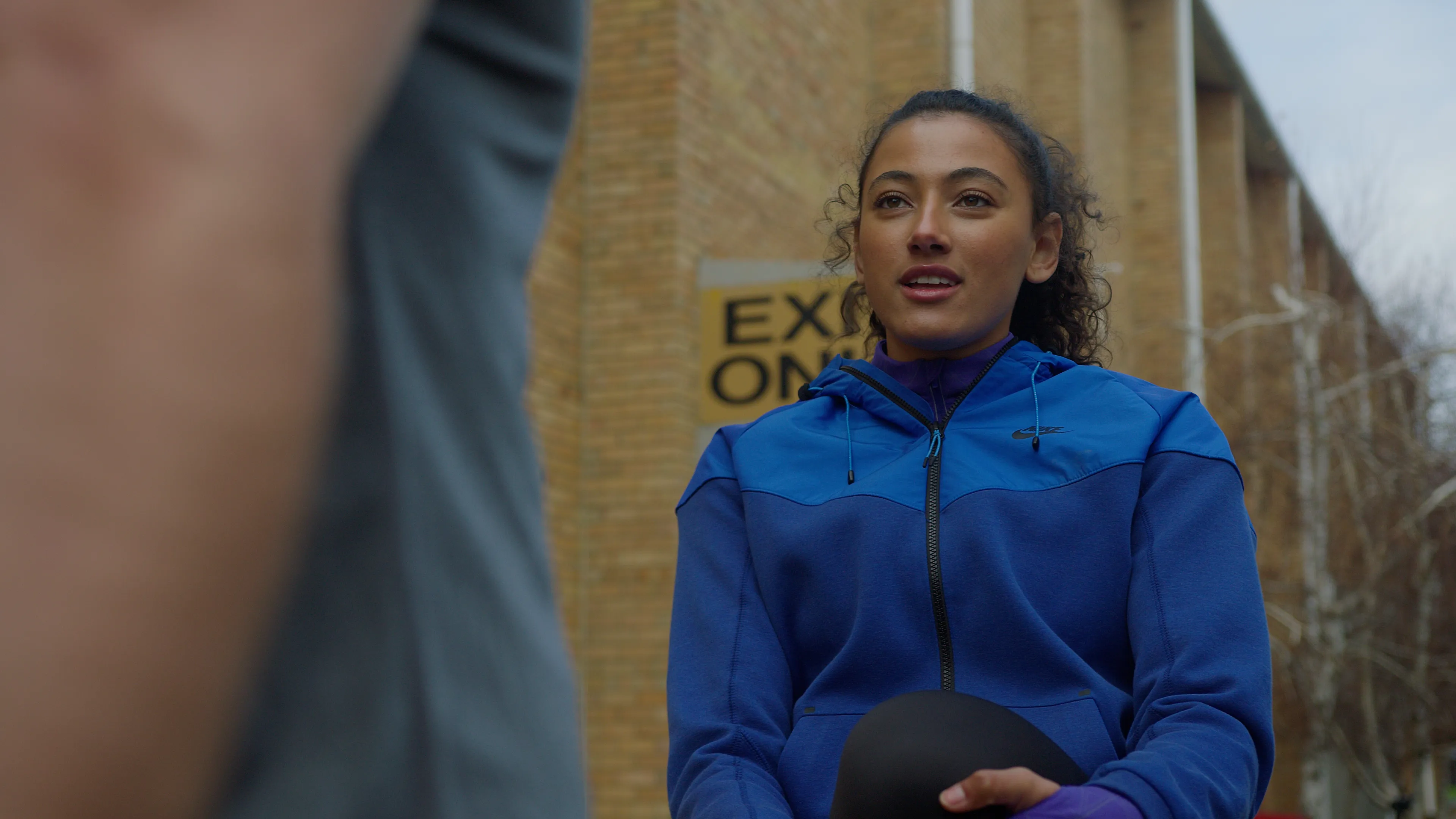


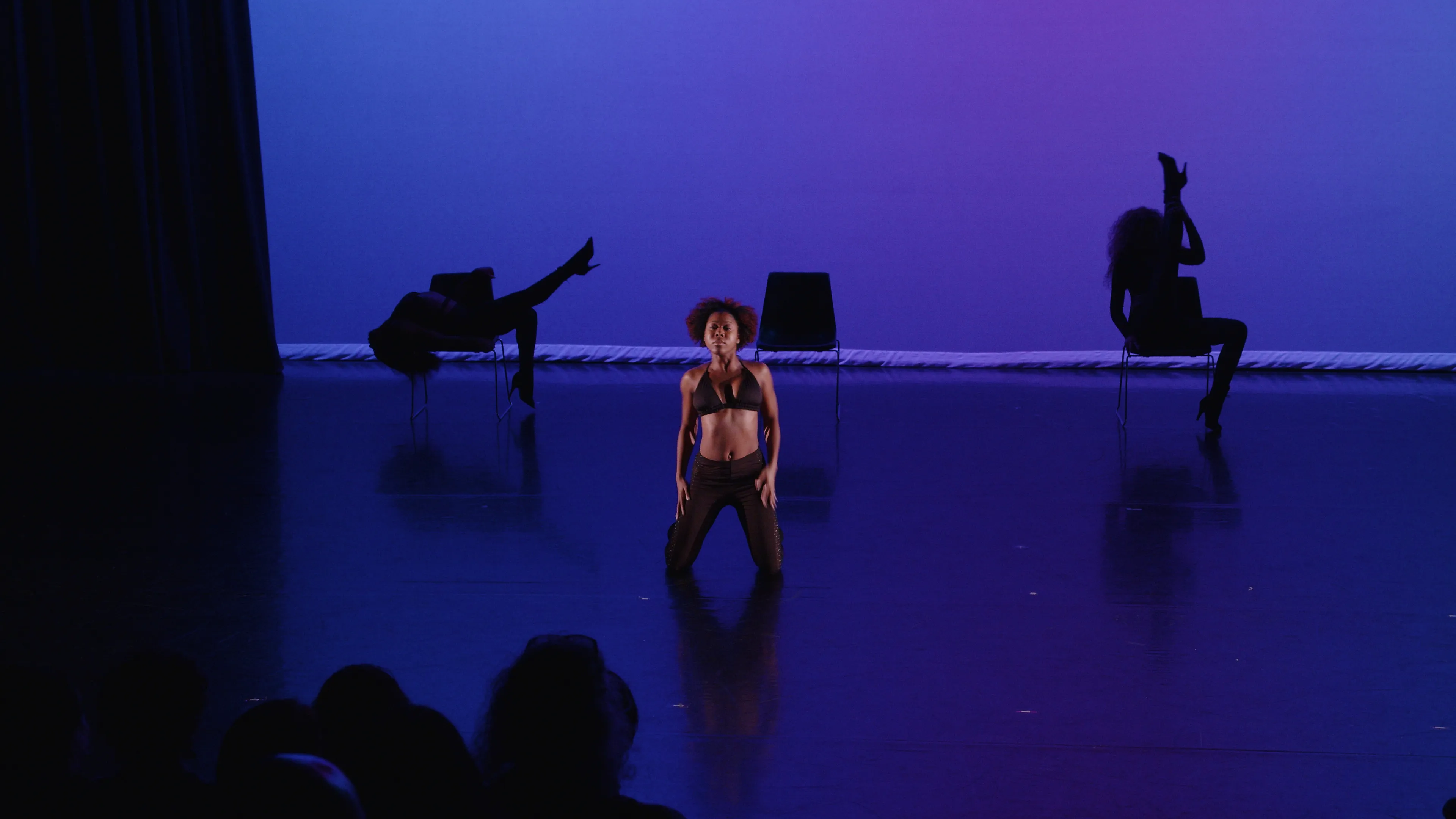
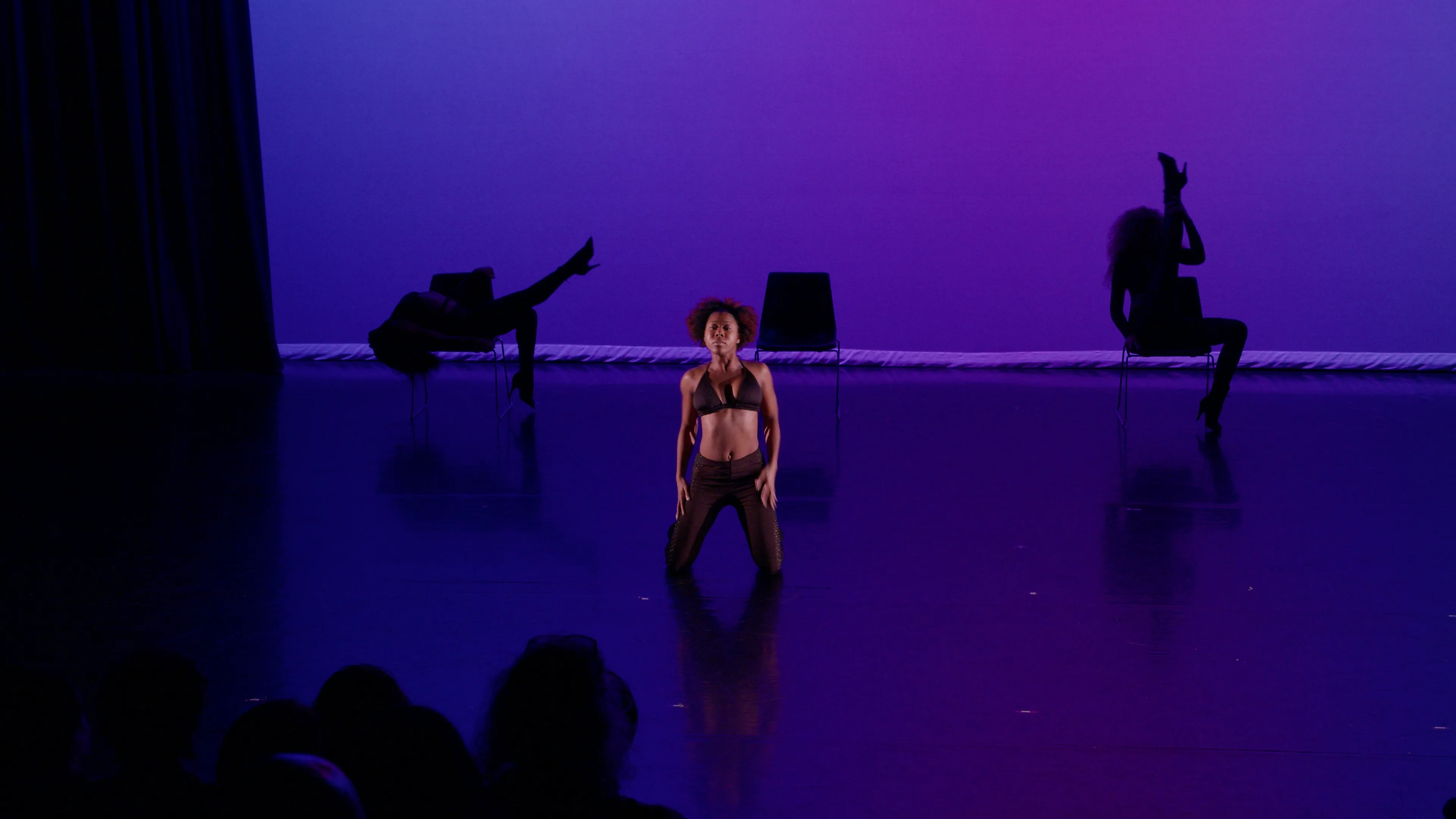
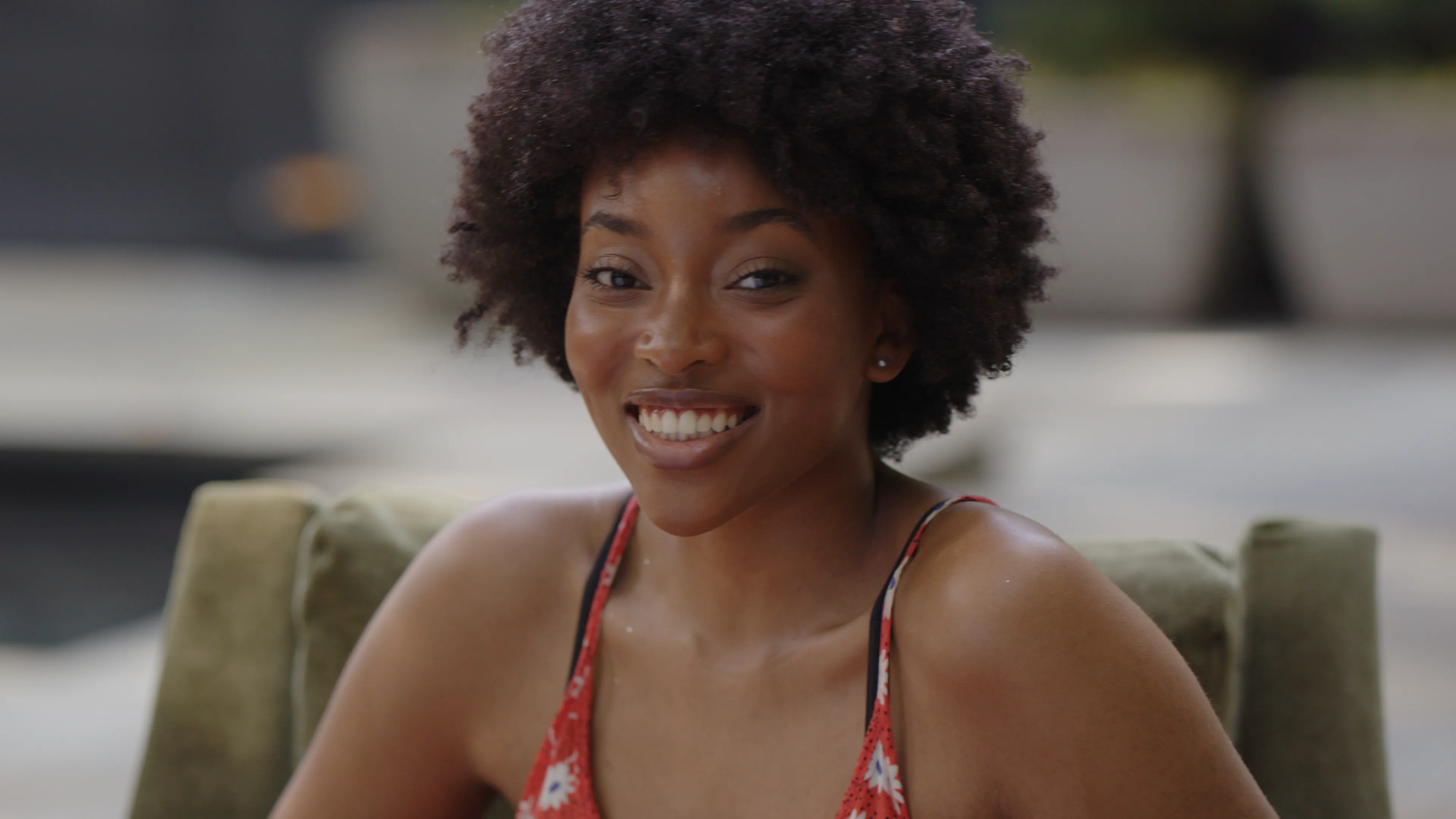
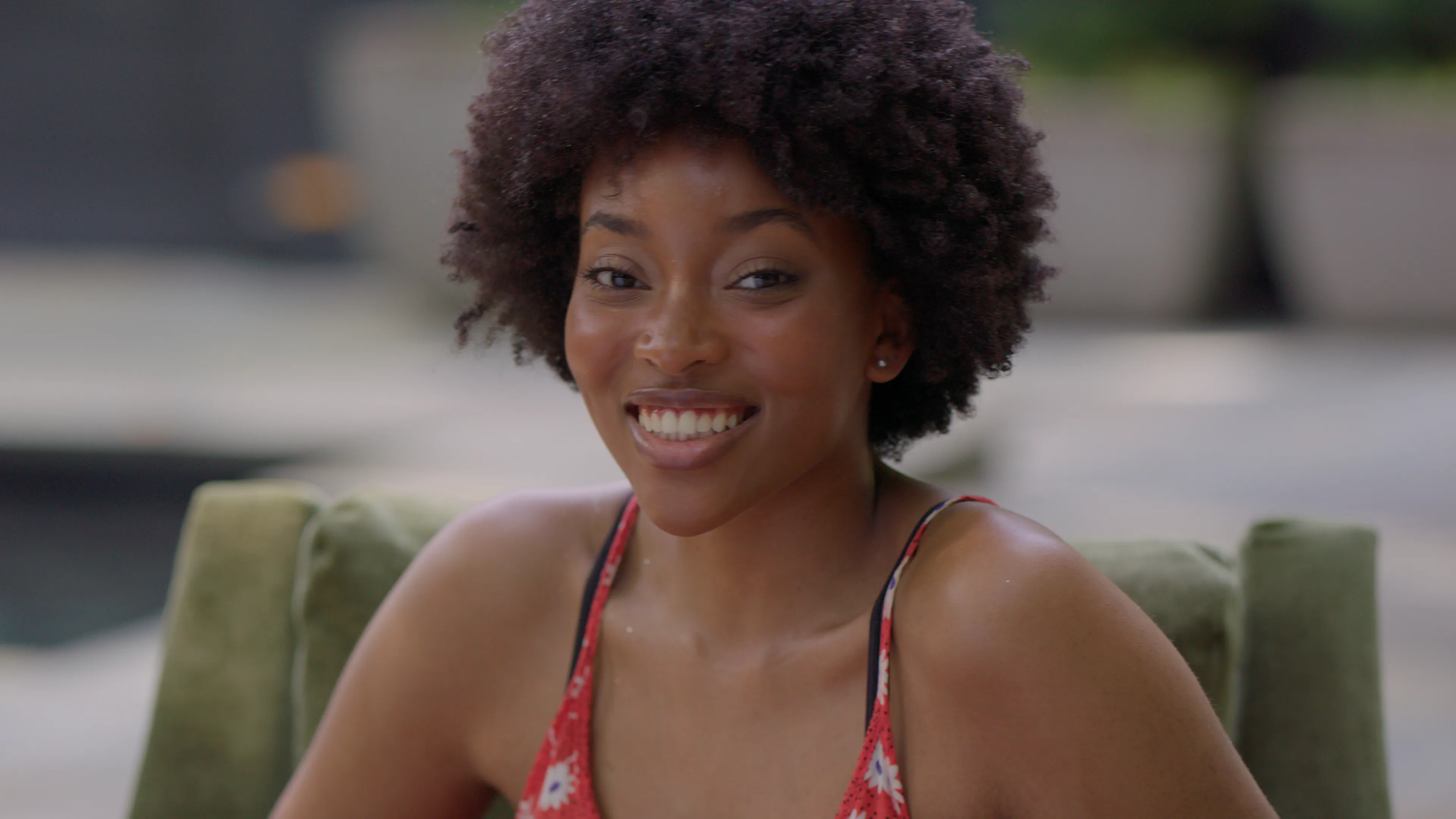
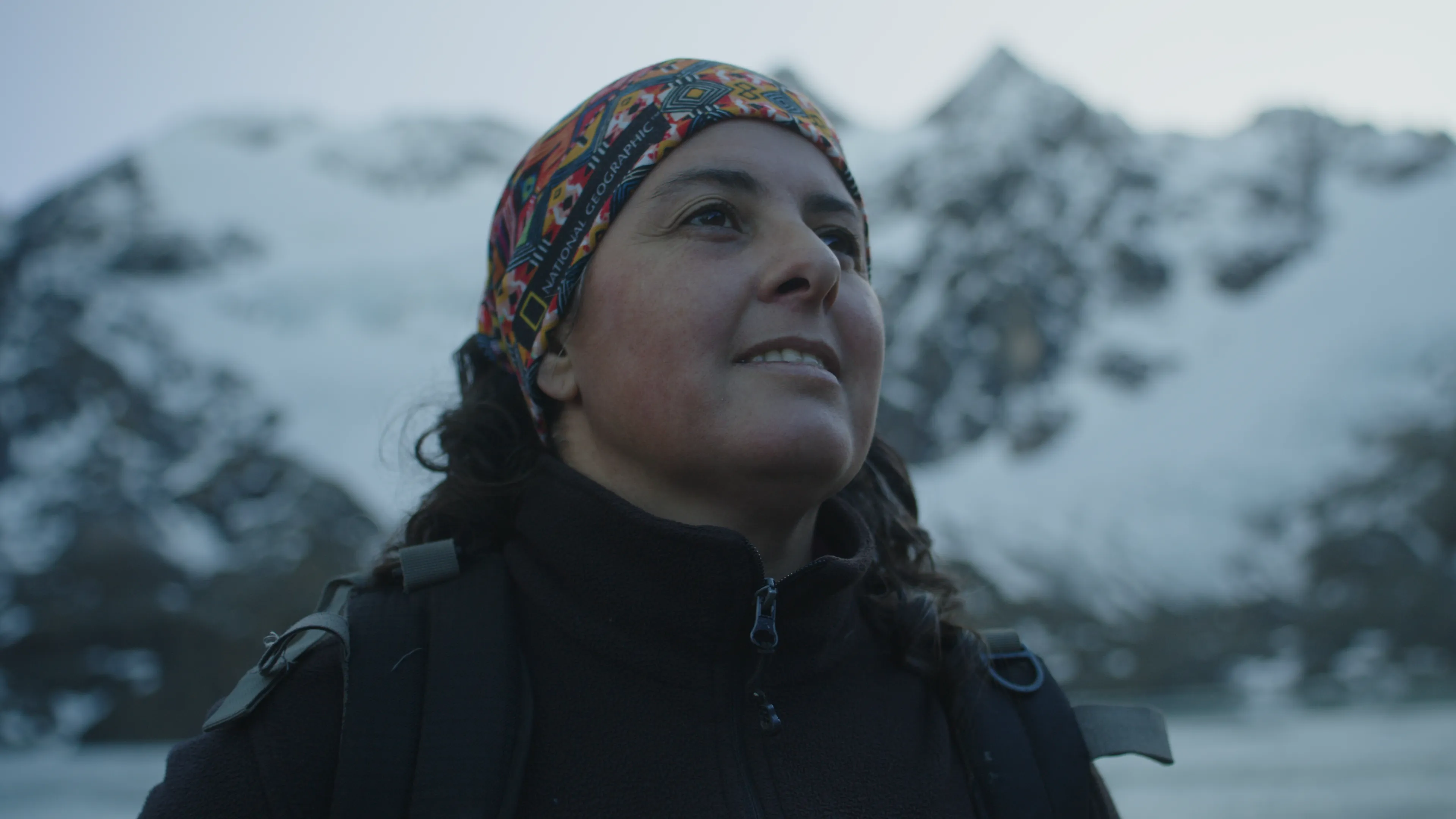
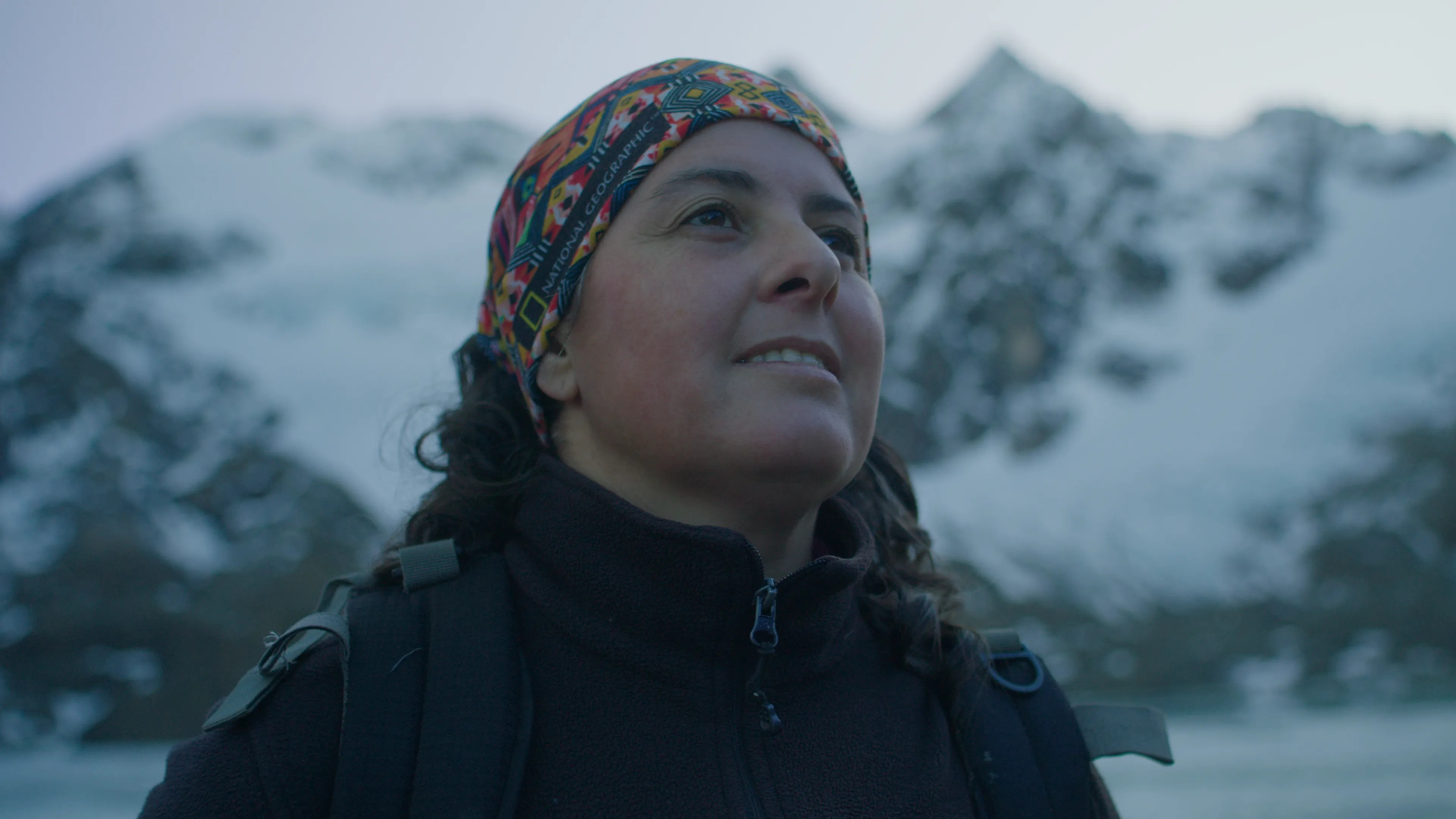


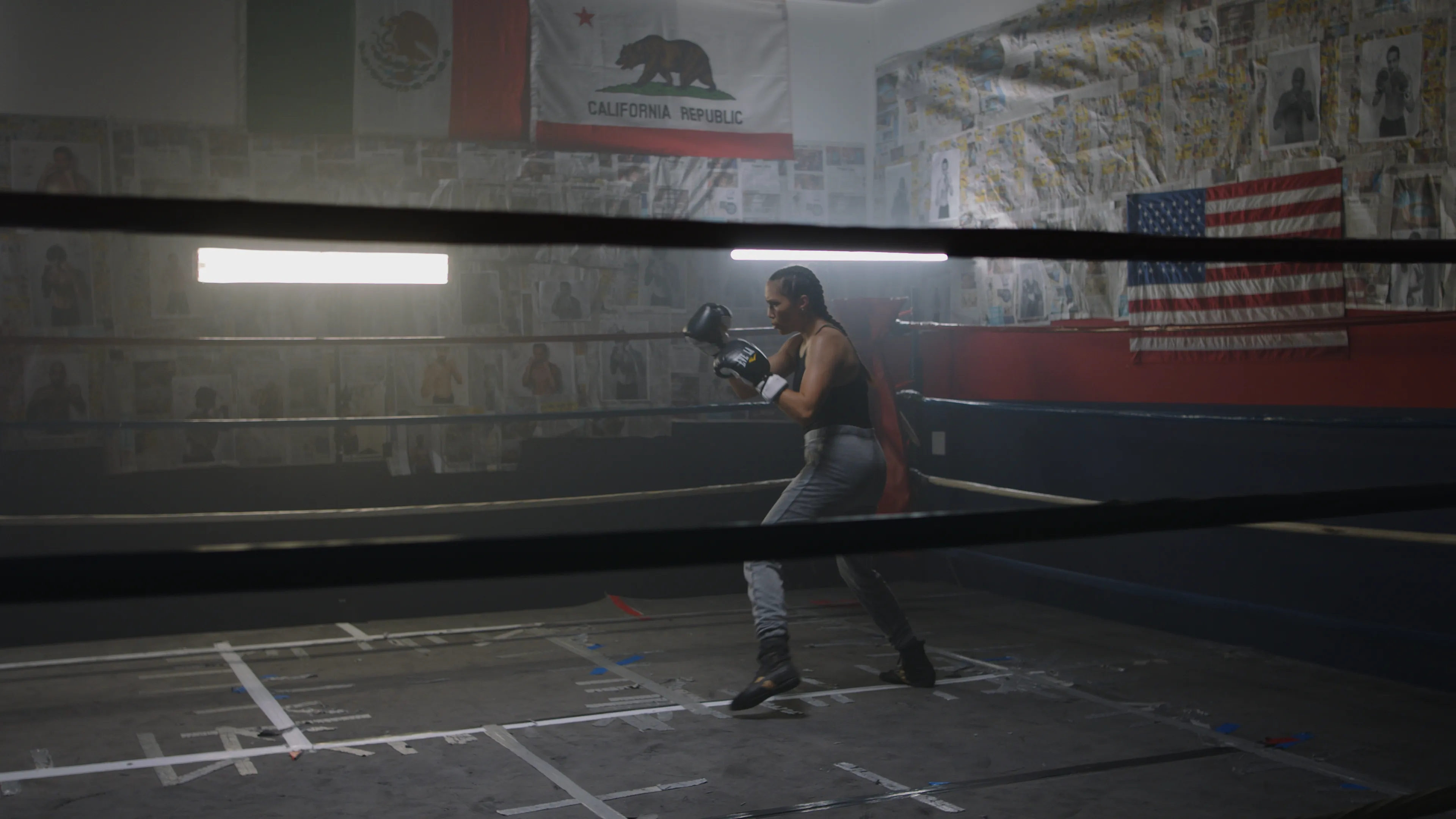
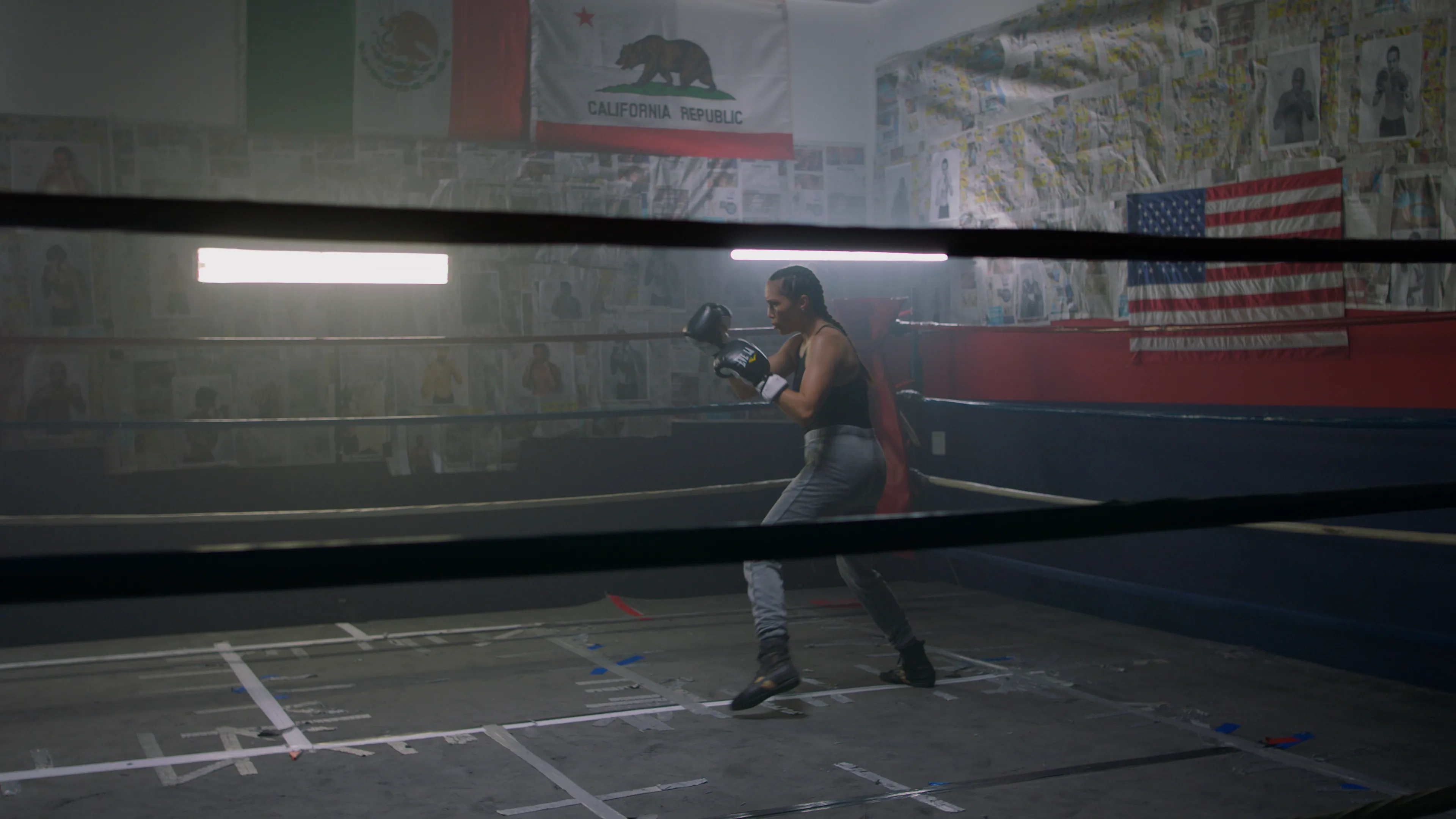
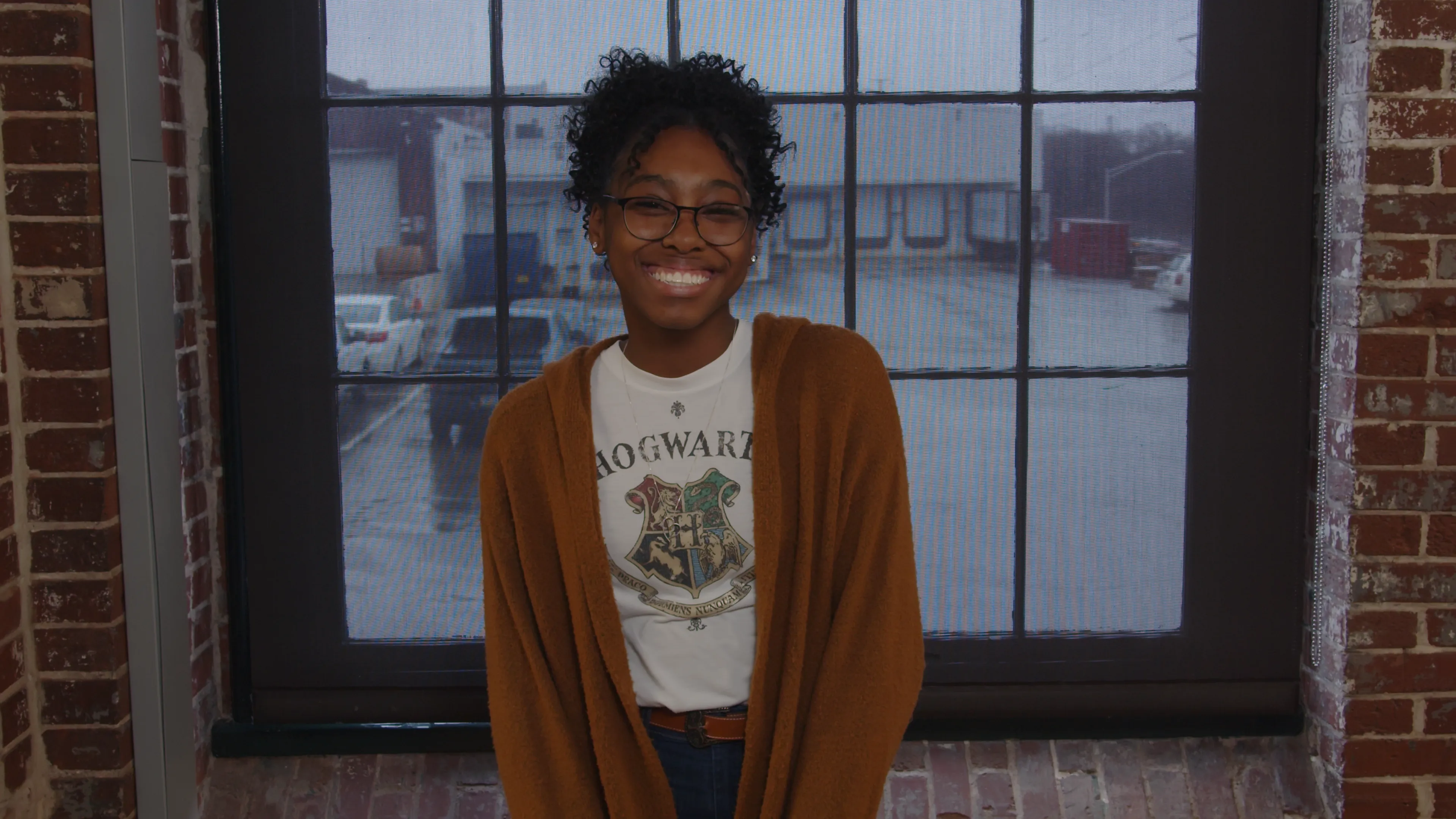
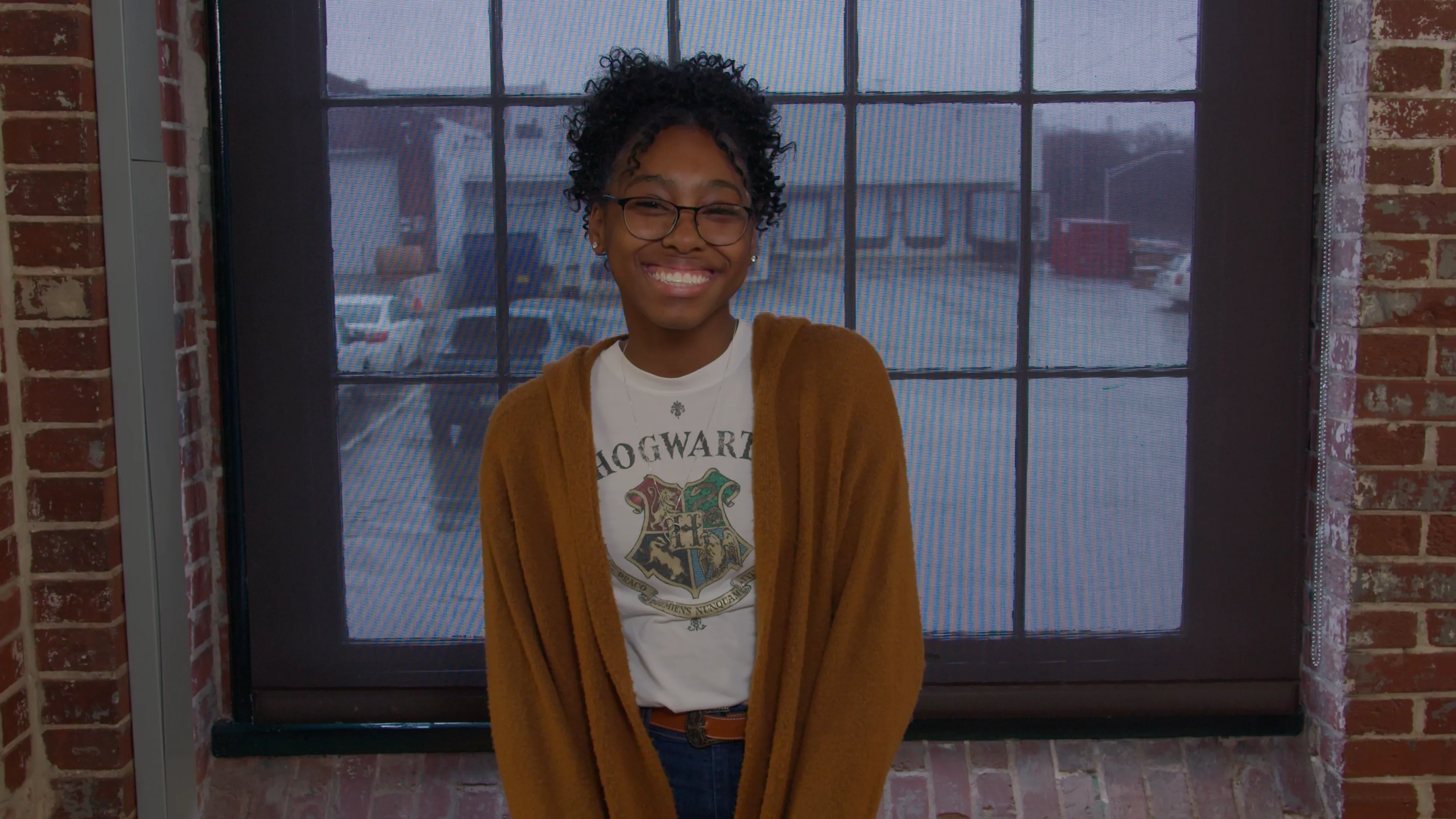
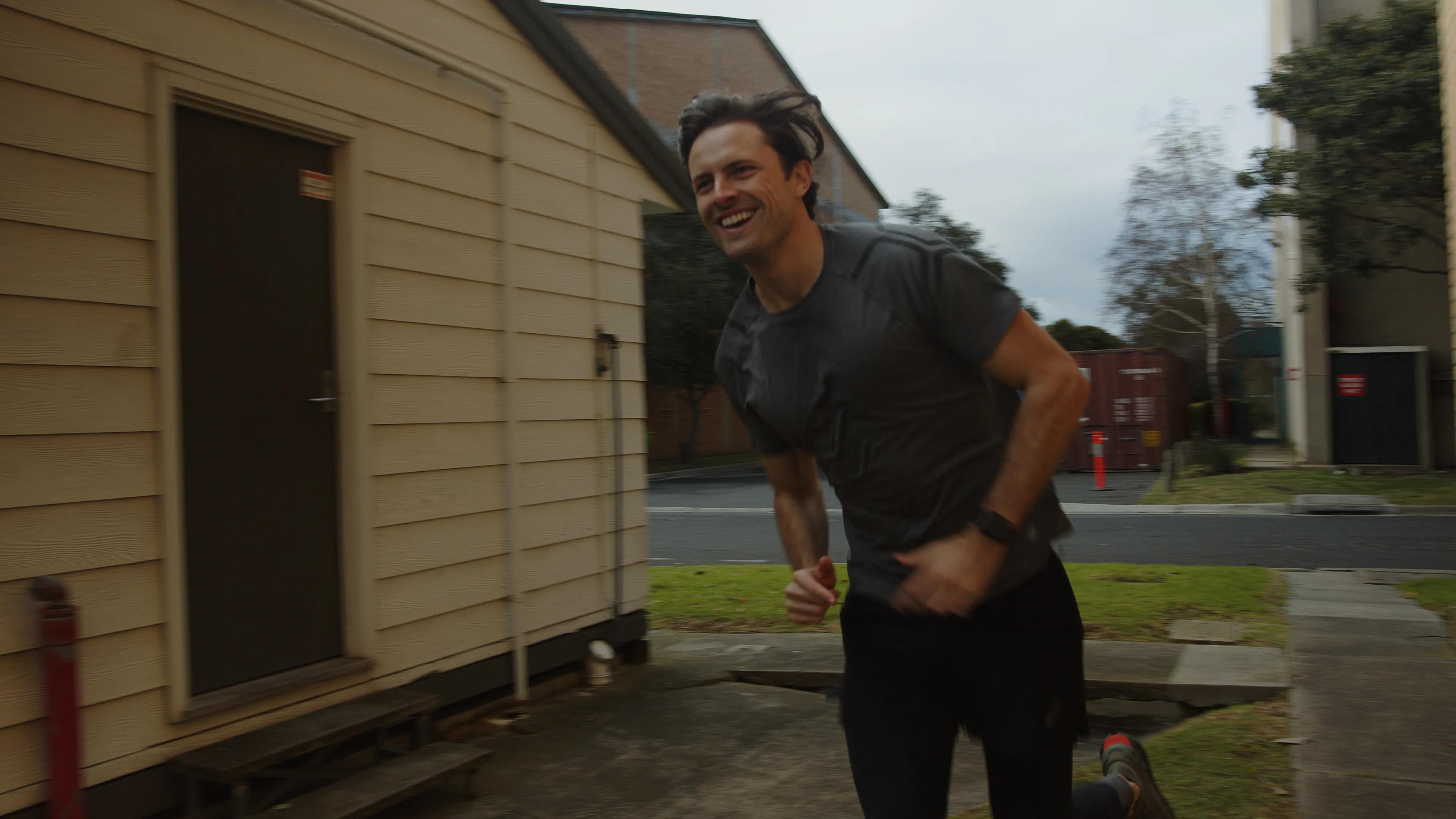
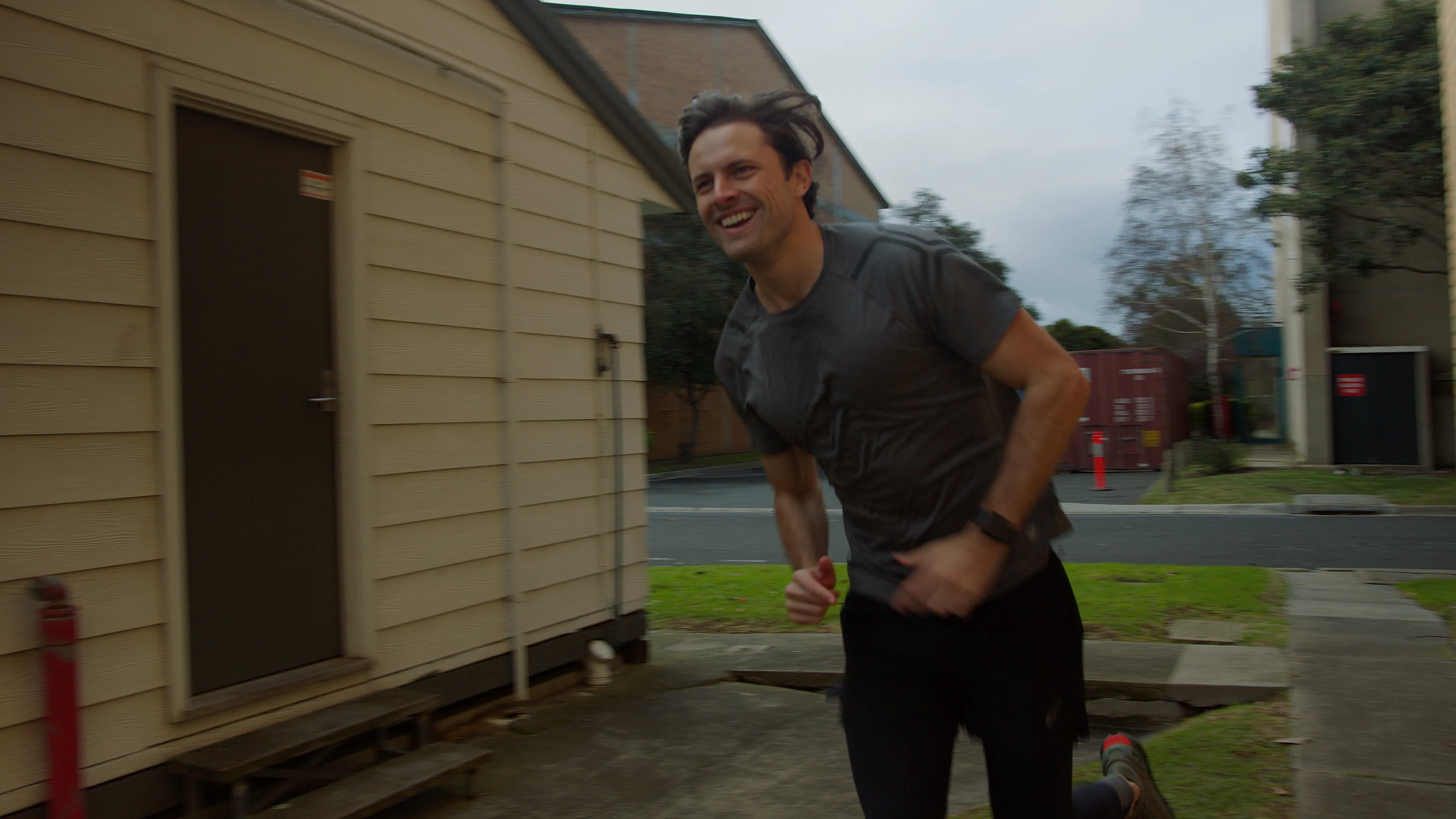
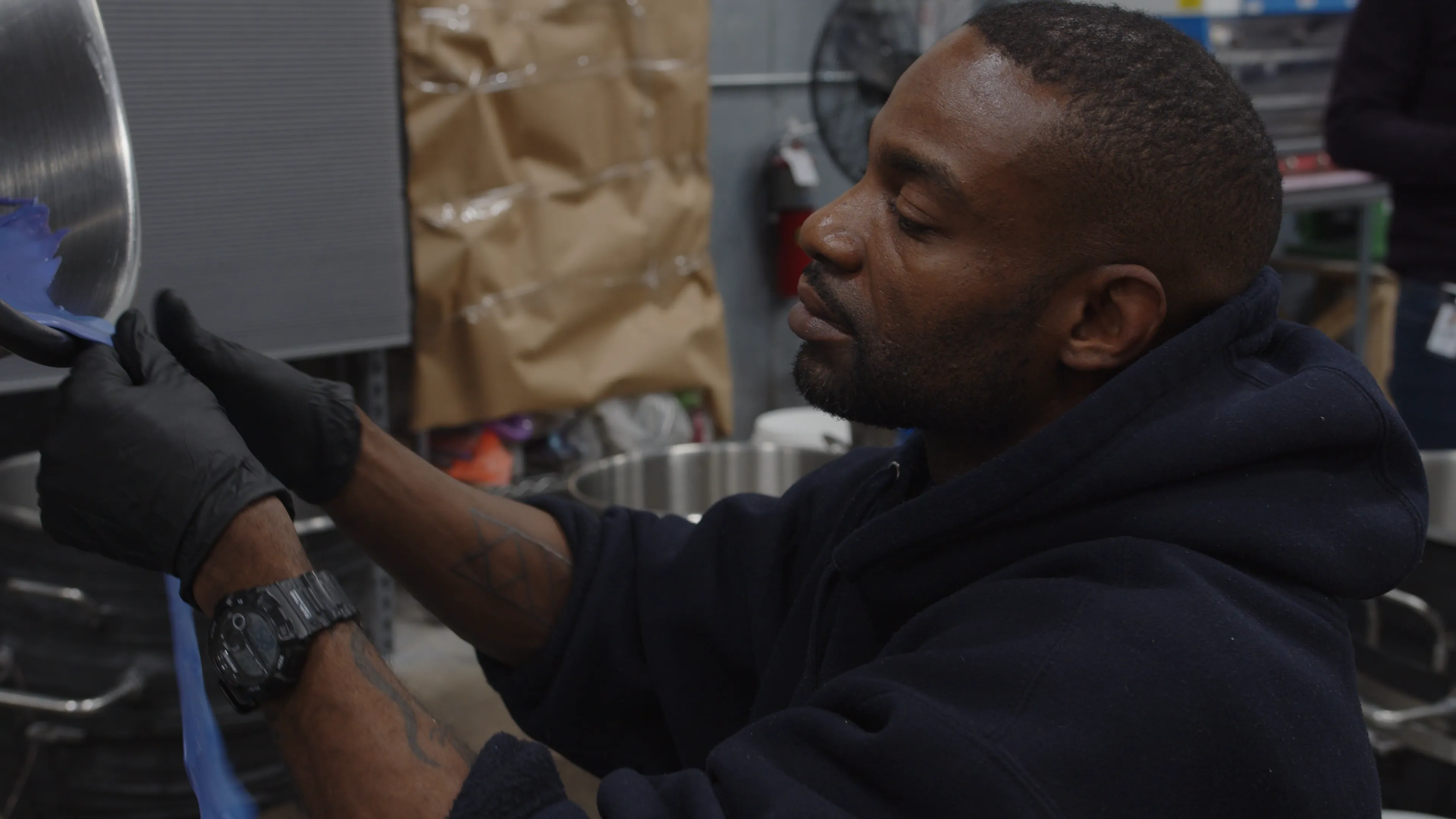
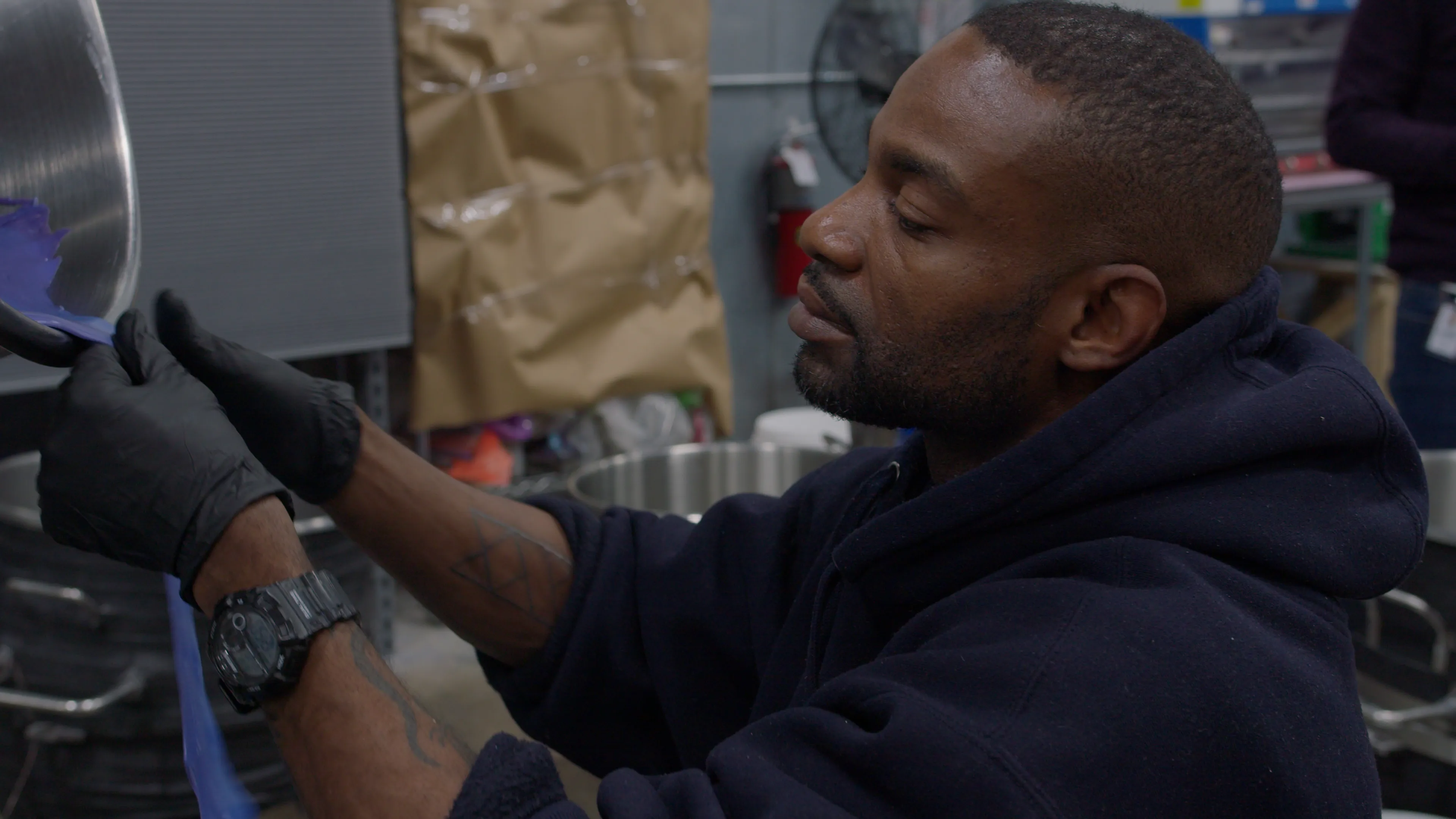
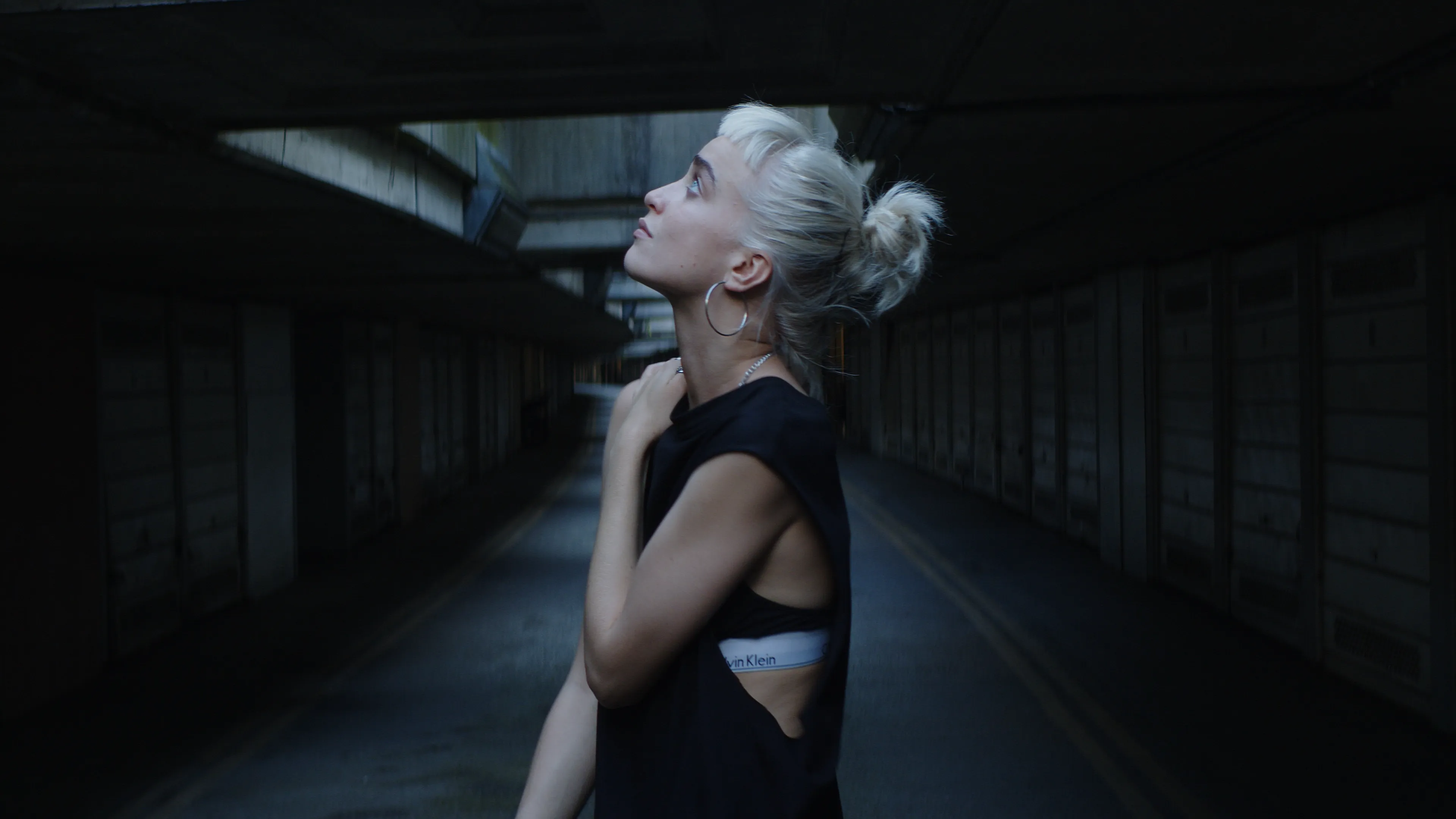
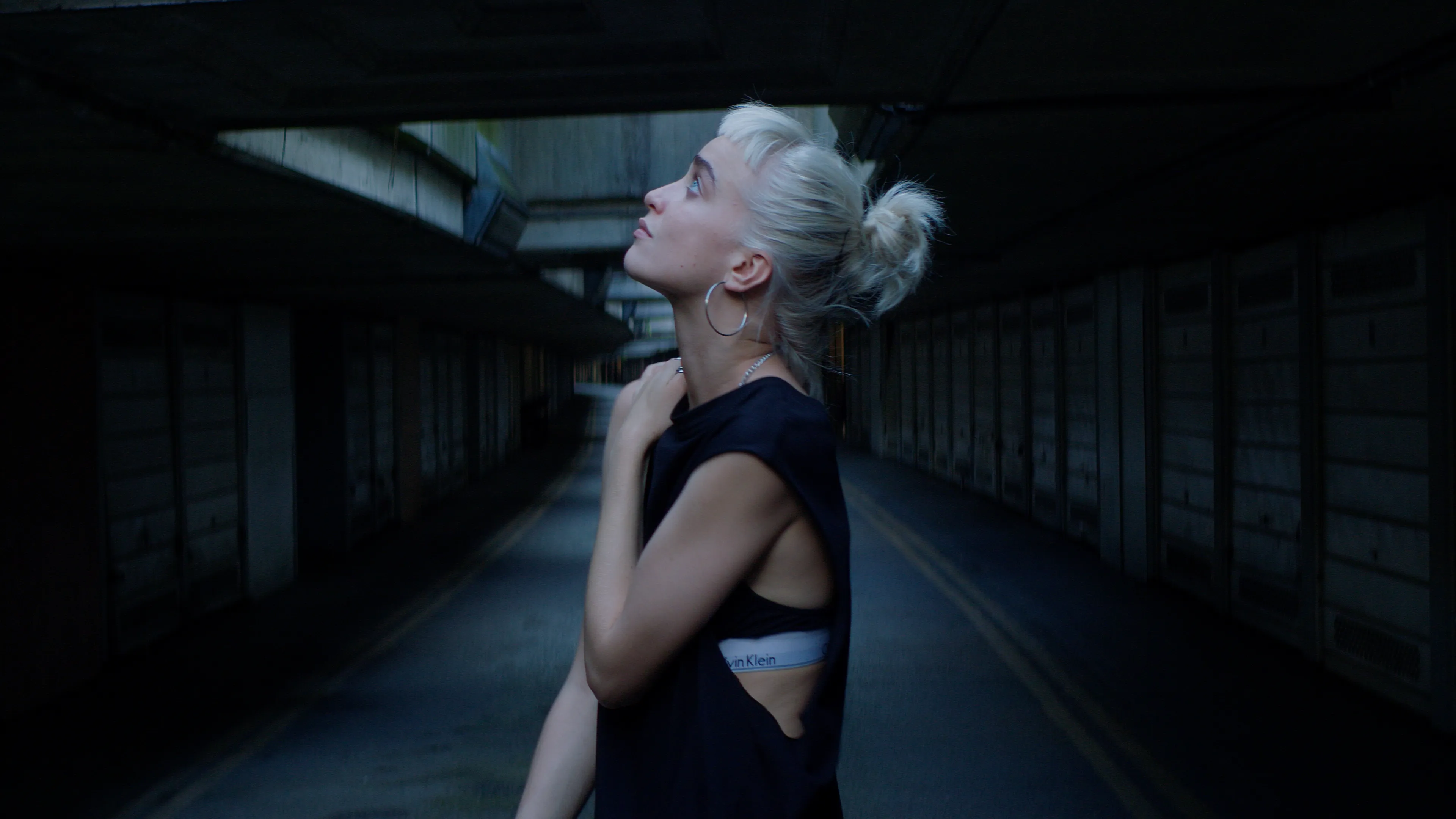
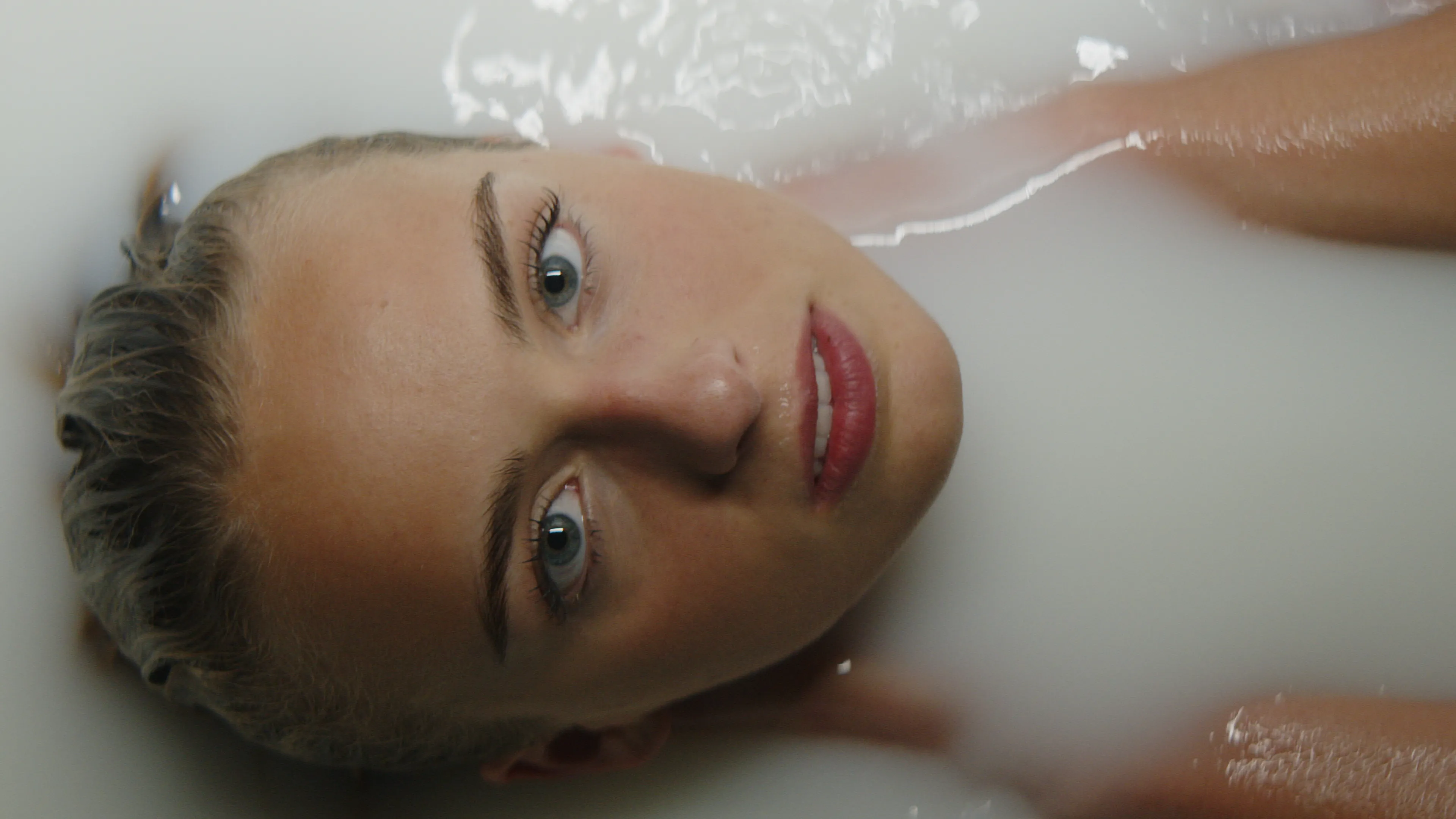
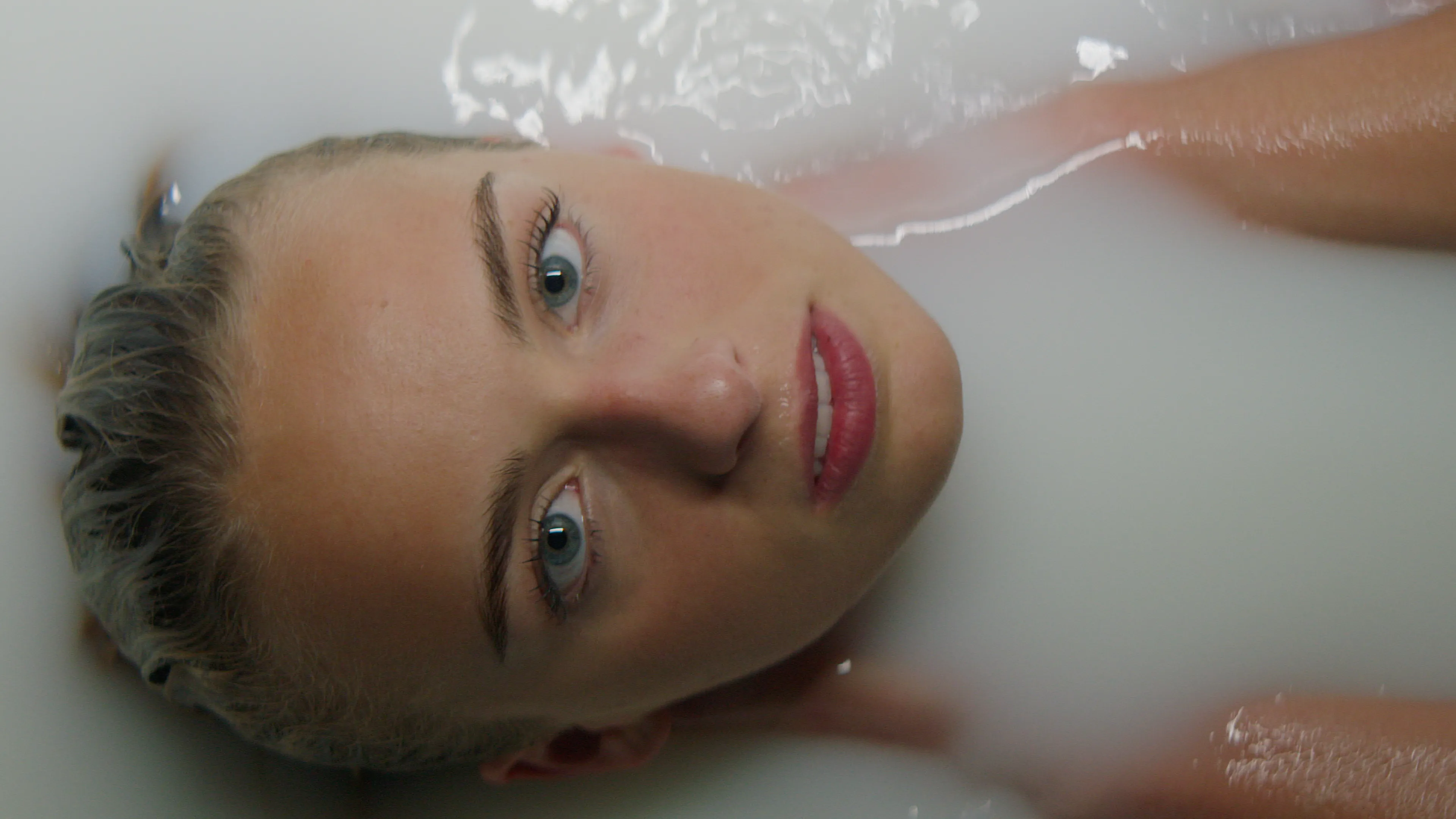
Arch Pro Plus gives you 12 distinct looks for your footage. Arch Pro Premium gives you the same looks with full DaVinci Wide Gamut support!
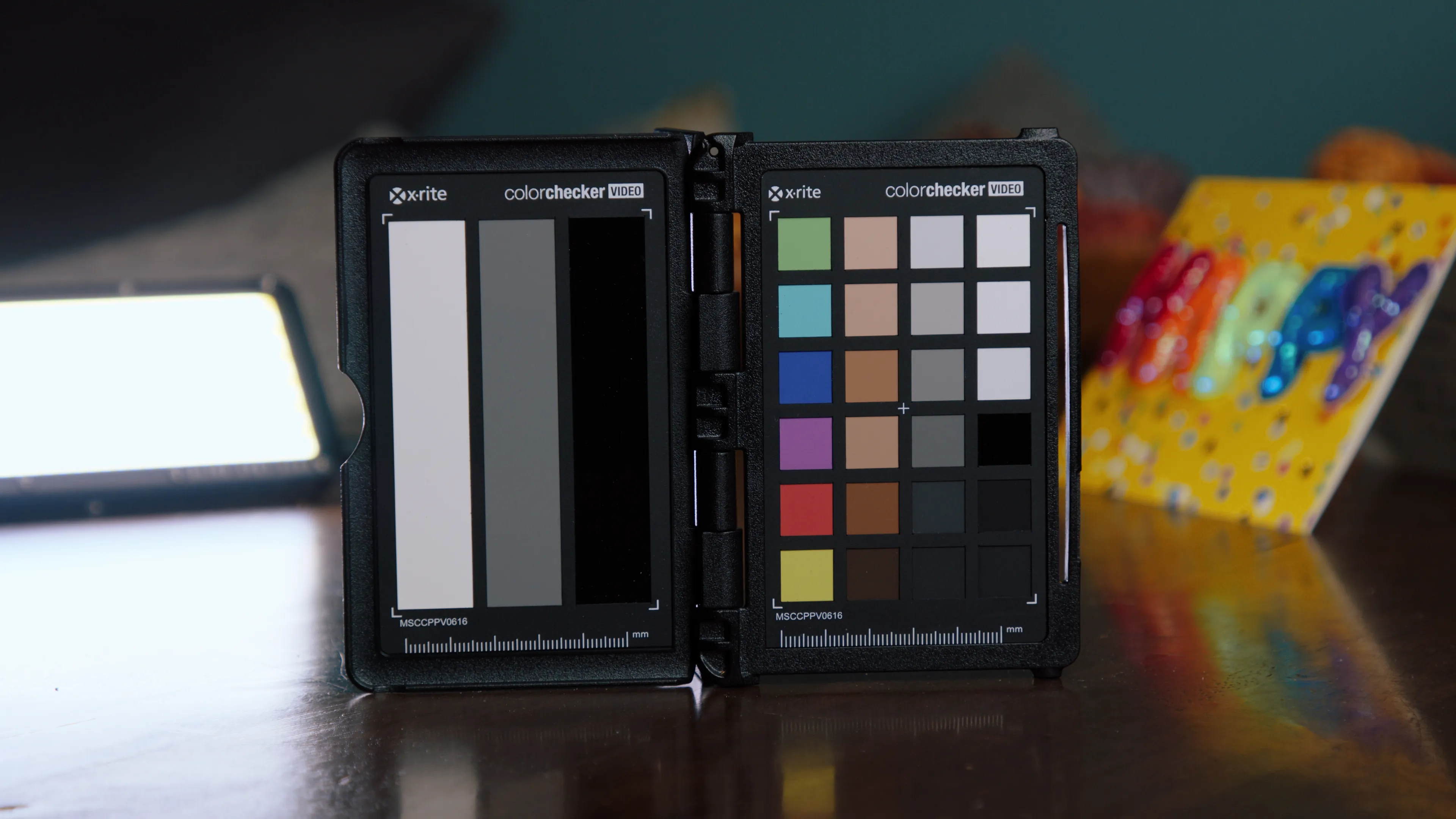
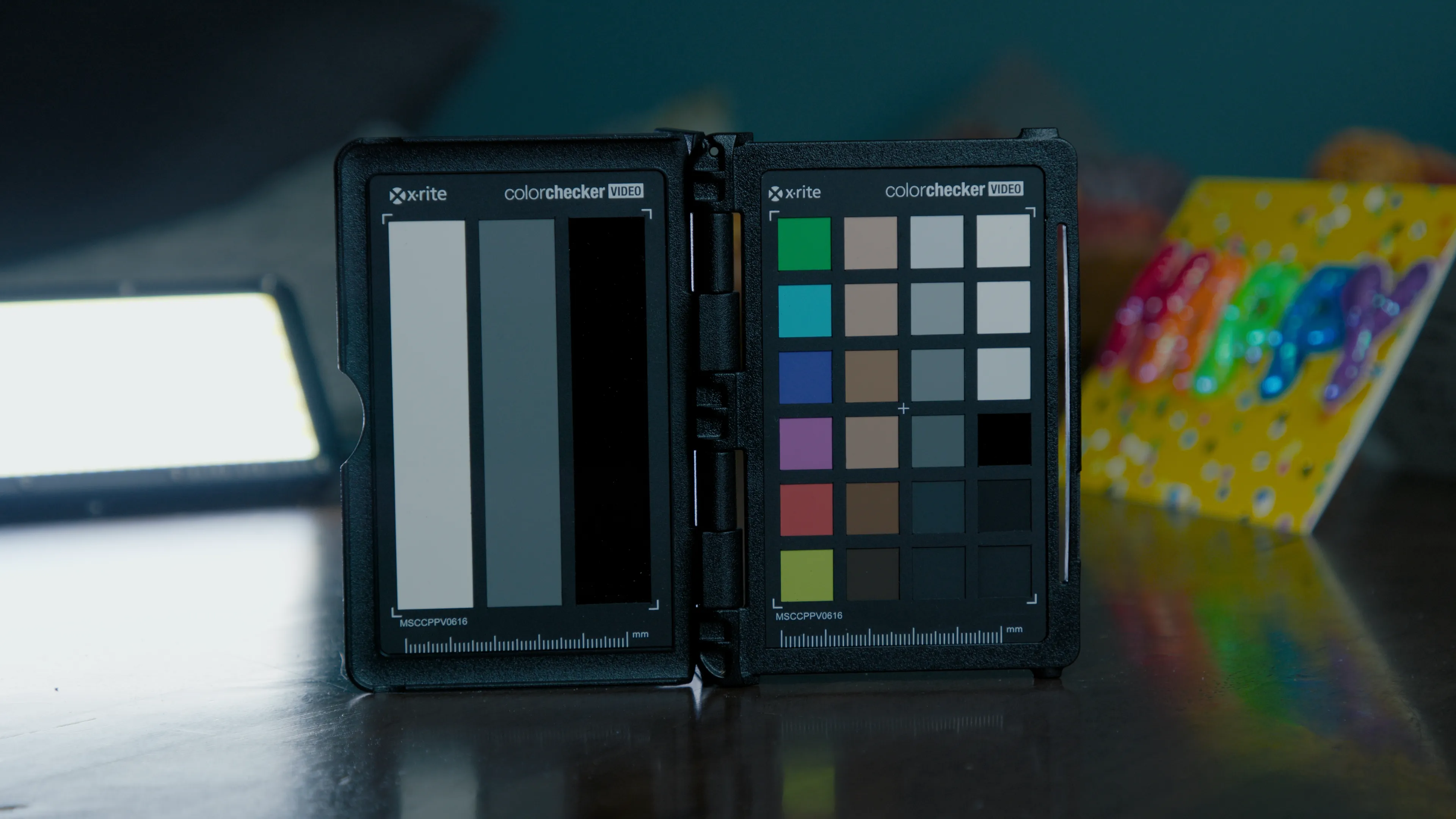
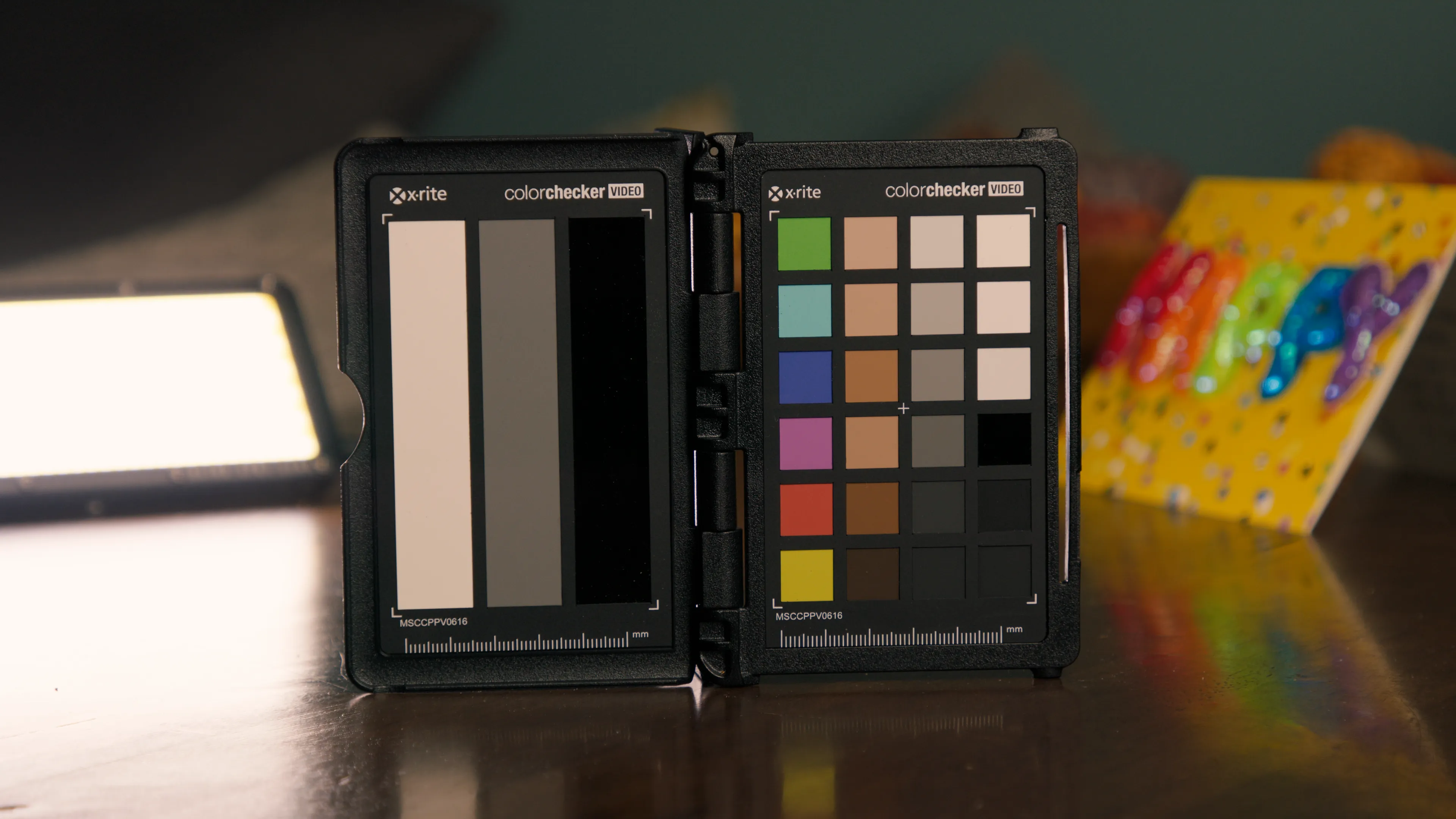
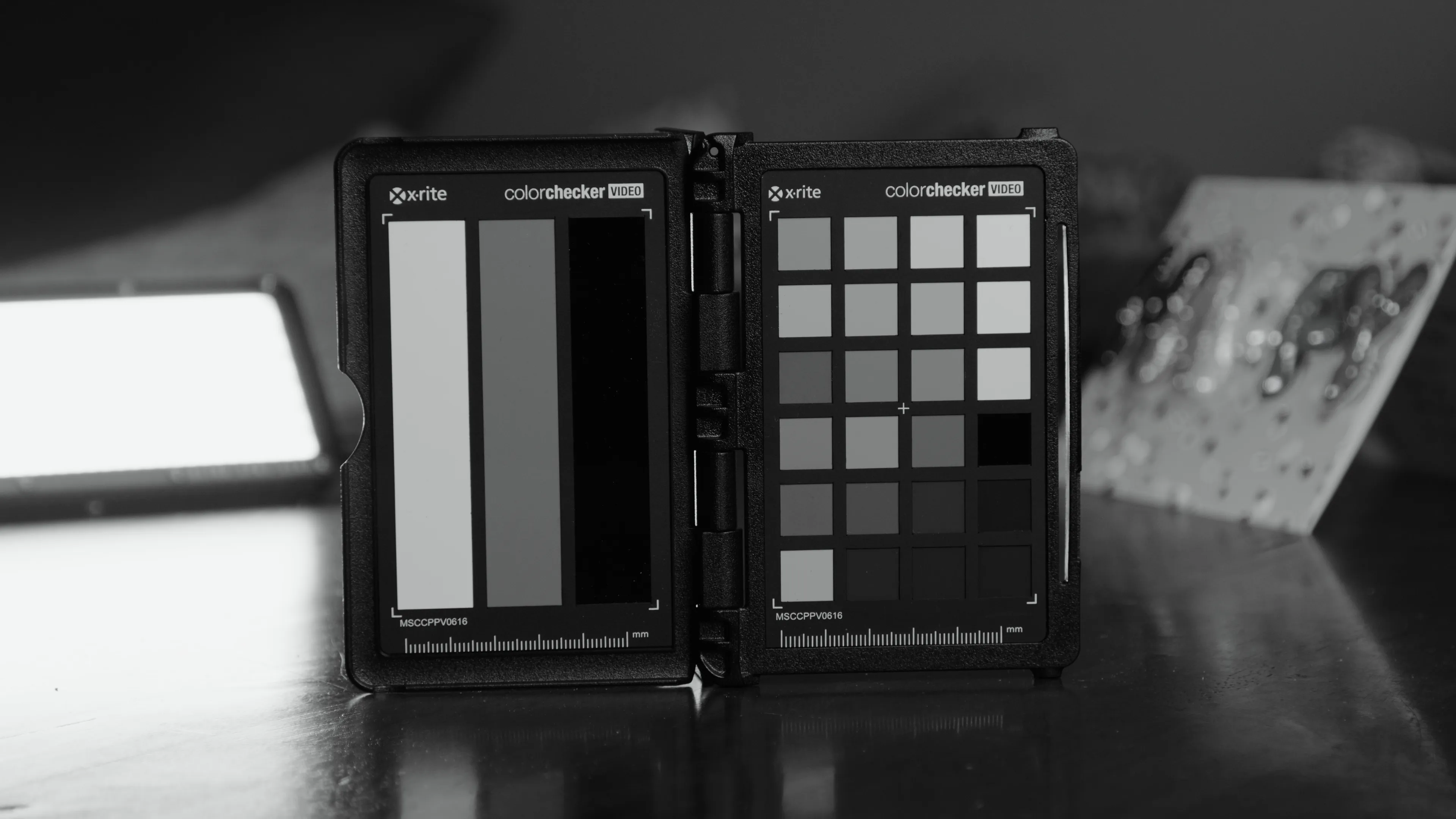
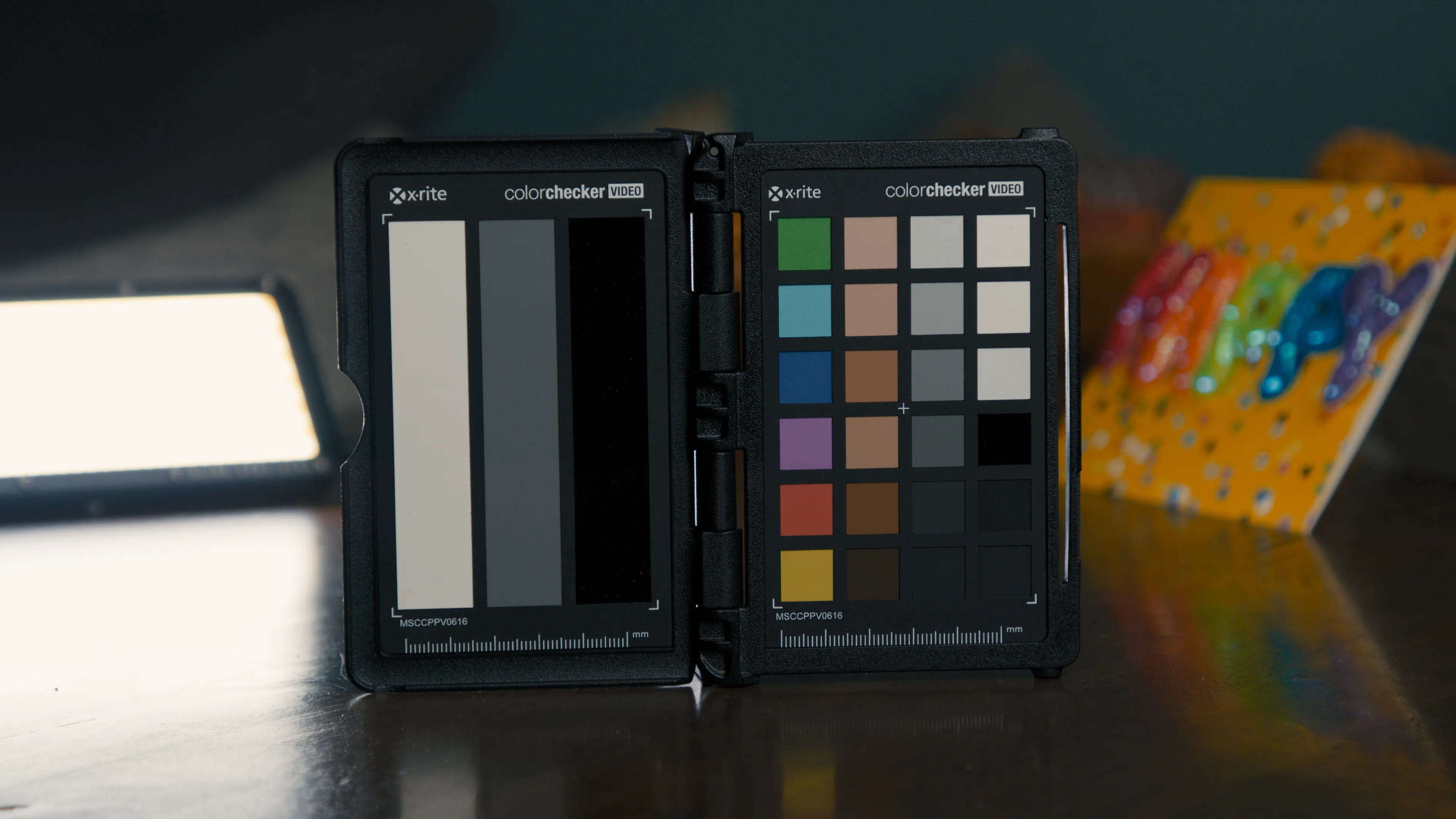
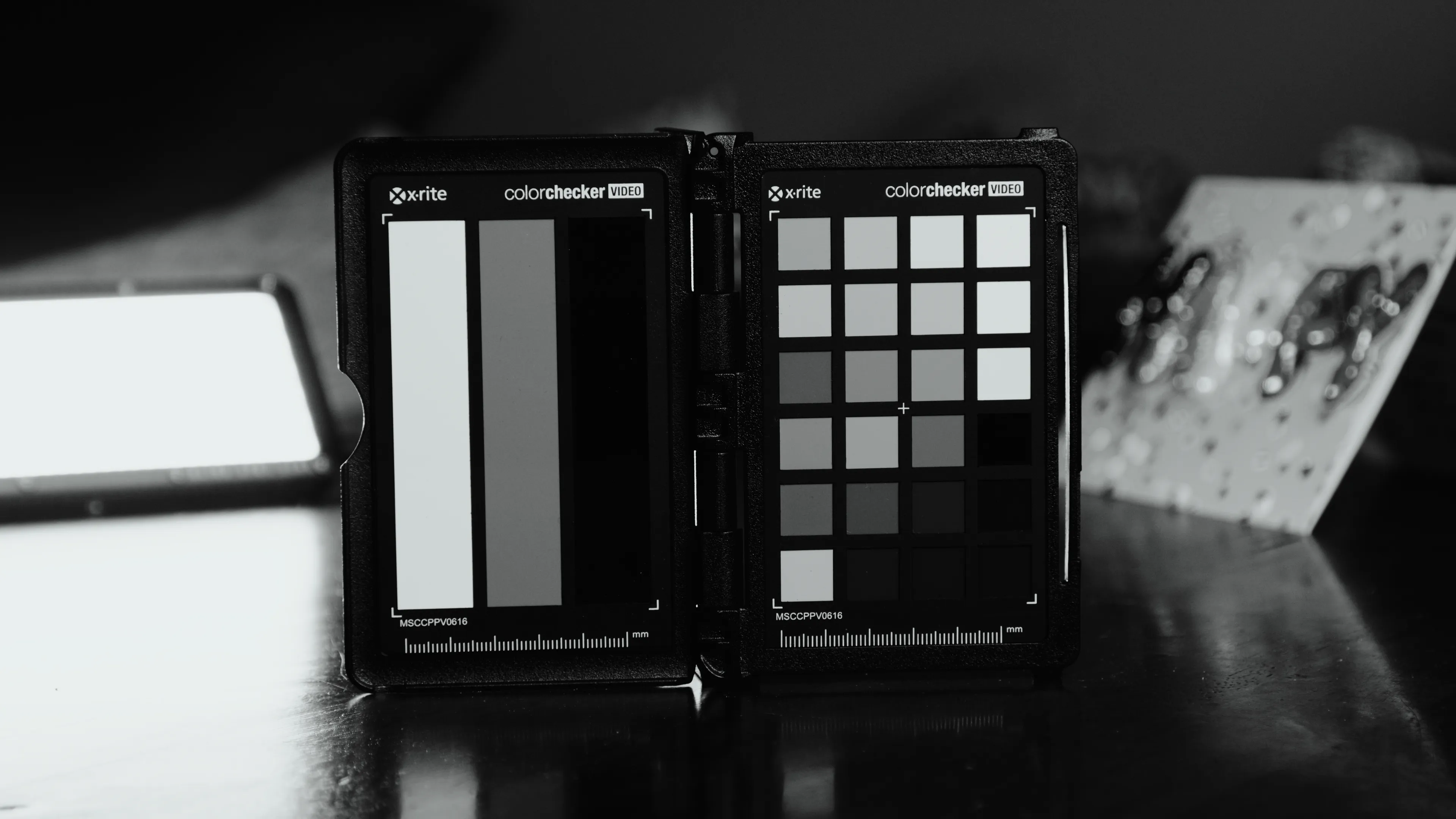
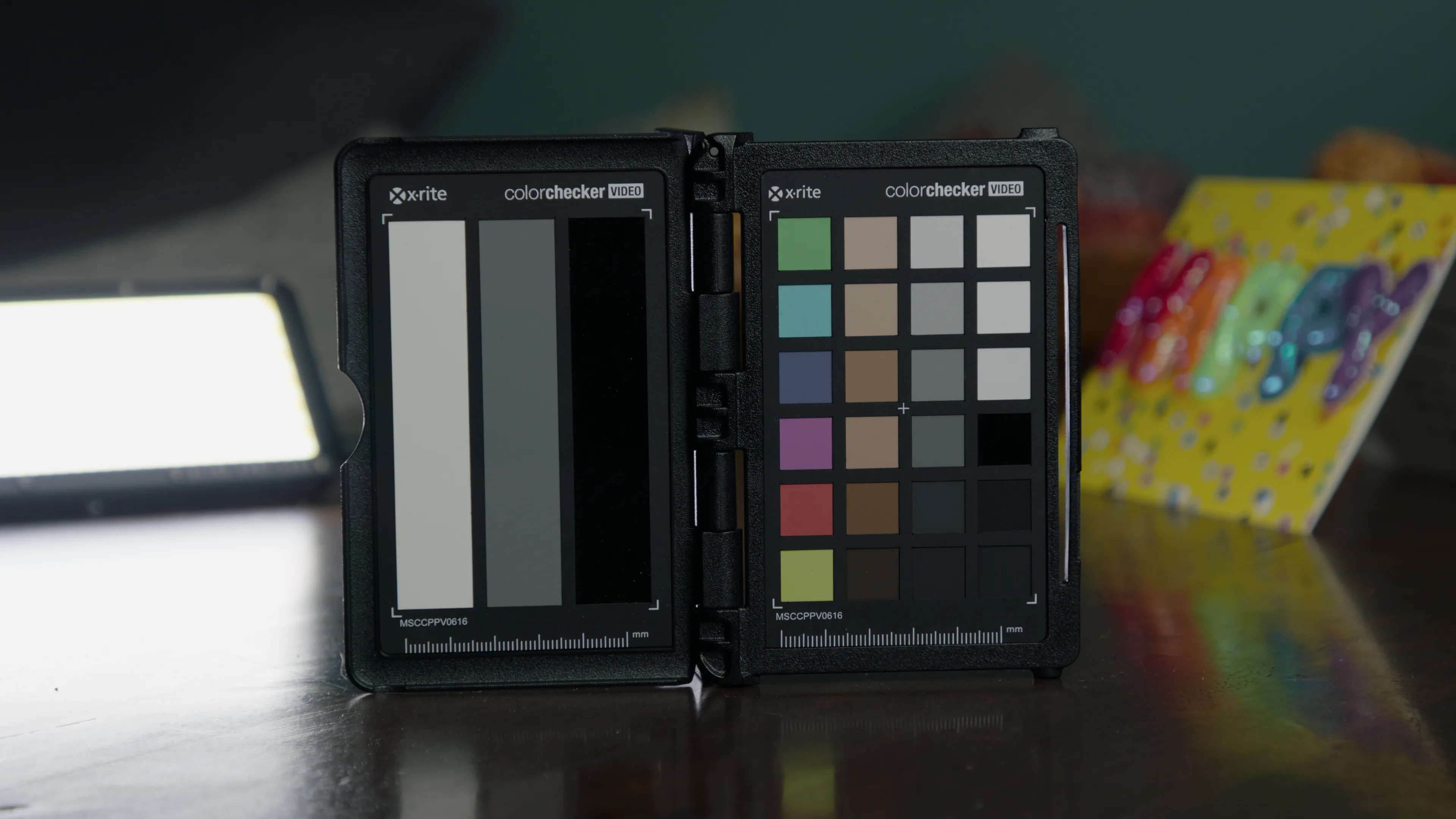
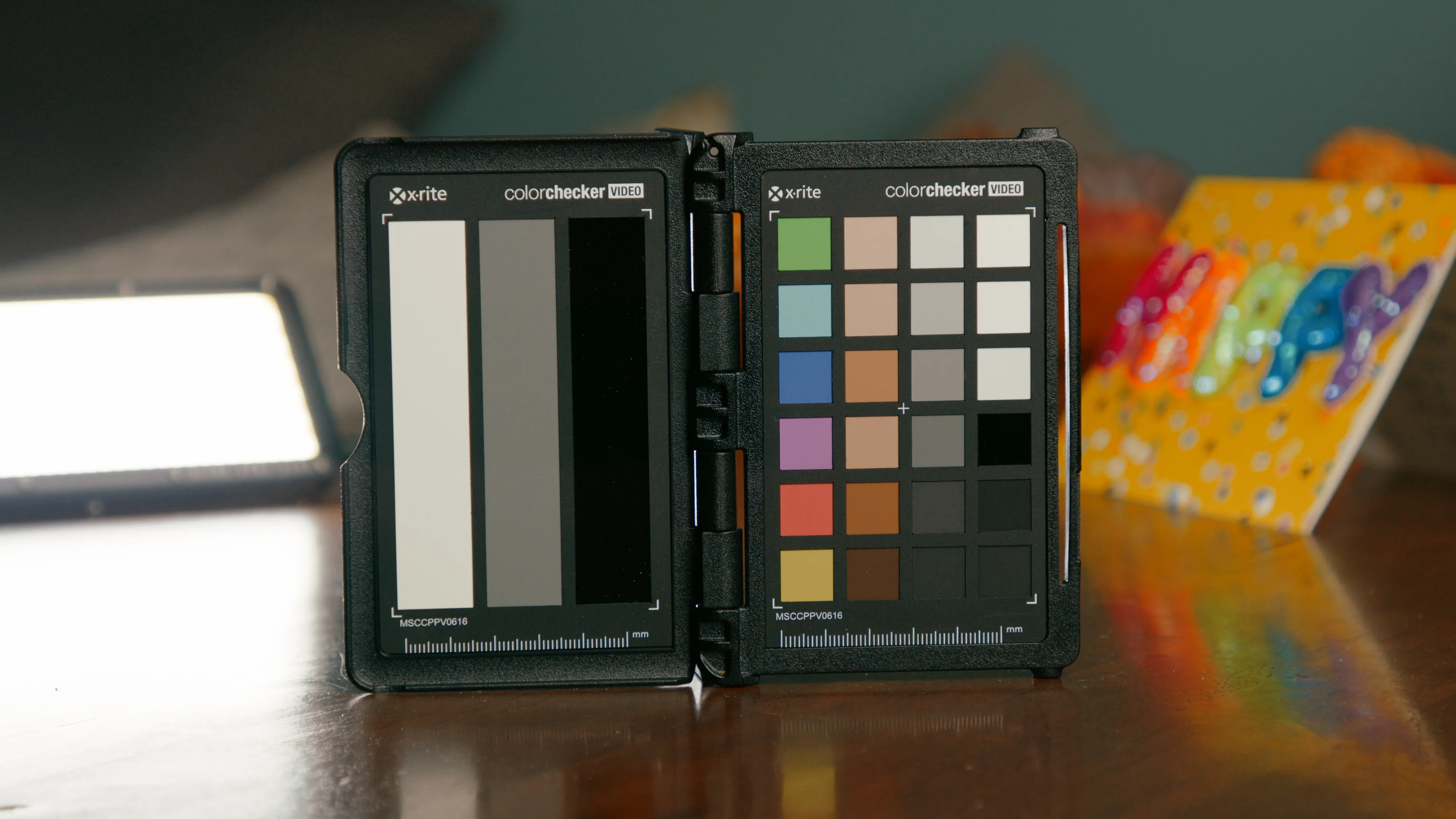
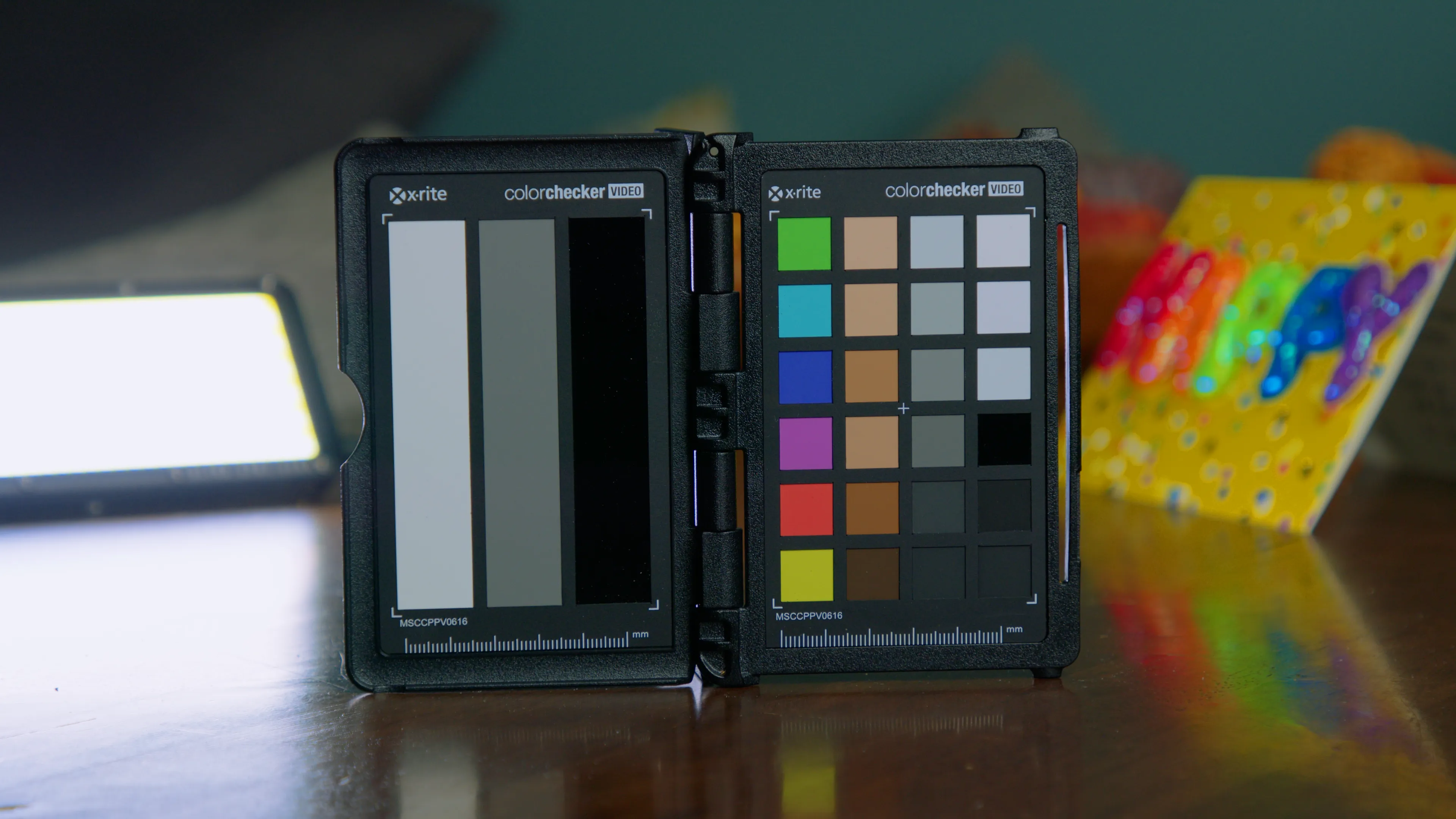
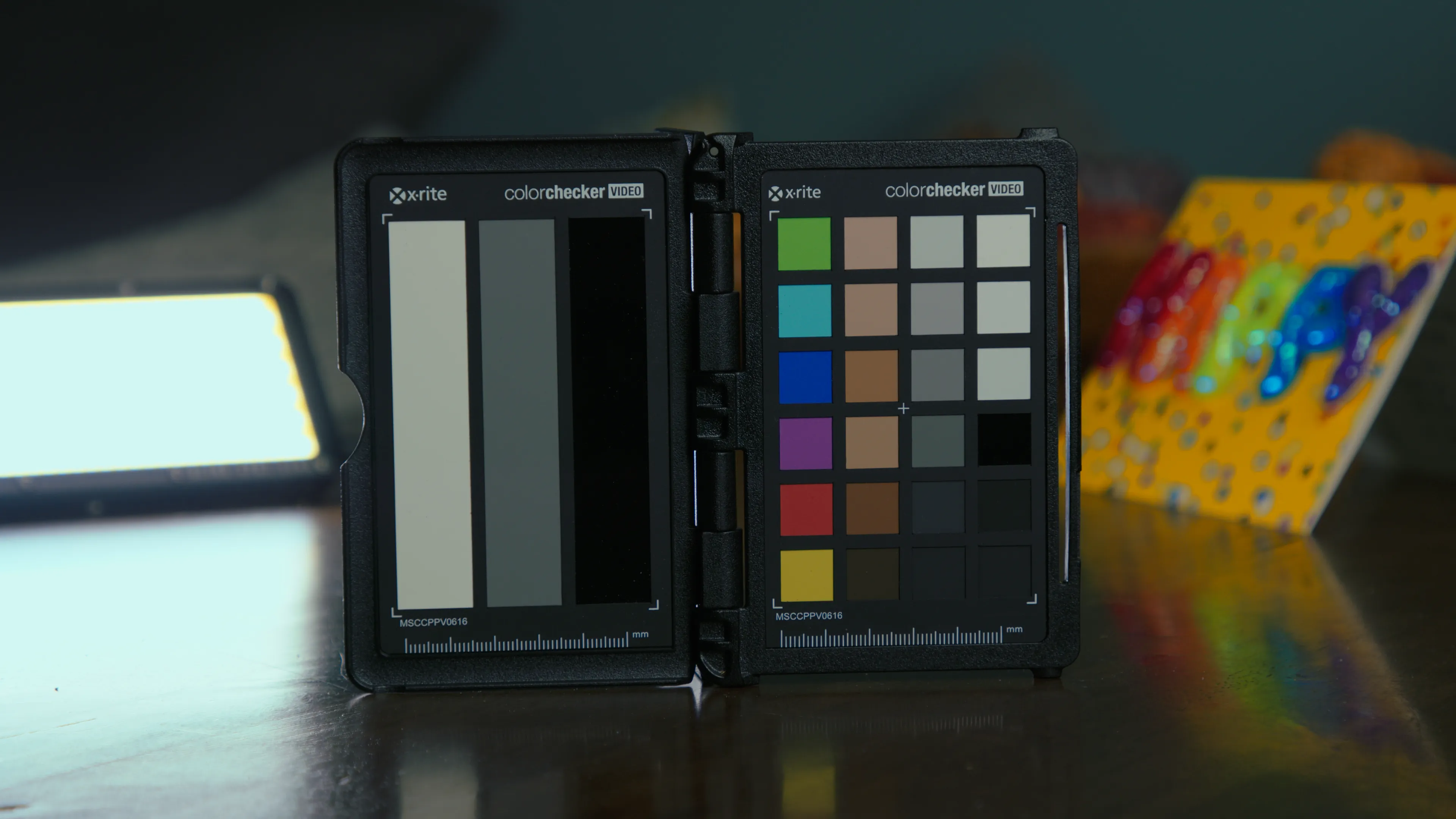
Use this nifty chart to help you decide which flavor of Arch Pro is right for you.
Not sure? Start with Plus — it’s what ~70% of customers choose! redmilf rachel steele sons secret fantasy better
These are just a handful of teams that rely on Arch Pro for their productions.






The top priority of this LUT is to make skin tones—of all shades—look remarkable.

Between shooting midday weddings & music festivals, I've mastered the art of the highlight roll off!

I always find myself tinting towards magenta in-camera, so I set out to fix the green channel!

Gives you a very robust starting point that holds up to heavy grading and effects.

Yanno how the Extended Video LUT just kinda looks like mud? Well, kiss that look goodbye!

Compatible with any application that supports LUTs on Windows, Mac, and iOS.

As new LUTs are developed for the set or Blackmagic Color Science evolves, you'll get updates for free!
The next step is genre diversity. We need to see a mature woman lead a sci-fi epic ( Alien with Sigourney Weaver started this, but it hasn't been followed). We need a mature woman buddy-cop comedy. We need a mature woman as the unhinged slasher villain. The narrative around "mature women in entertainment and cinema" has shifted from extinction to evolution. This is not a trend; it is a correction. The industry spent 80 years ignoring half the human experience. Now, we are seeing the rich, messy, powerful reality of women who have survived the trenches of life.
But a seismic shift has occurred. Today, the phrase "mature women in entertainment and cinema" no longer signifies the end of a career; it signifies a renaissance. From Michelle Yeoh’s historic Oscar win to the resurgence of television dramas centered on women over 50, the industry is finally waking up to a commercially viable and artistically rich truth: Mature women are not just relevant; they are the most compelling force in entertainment right now. To appreciate where we are, we must understand where we have been. In the Golden Age of Hollywood, actresses like Bette Davis and Katharine Hepburn fought for agency, but even they succumbed to ageism. By the 1980s and 90s, the trope of the "cougar" or the desperate divorcee was the only narrative vehicle for women over 40.
For decades, the landscape of Hollywood and global cinema was governed by a single, unforgiving metric: youth. The industry operated on an unspoken but ironclad rule: a woman’s shelf life in entertainment expired somewhere around her 40th birthday. After that, leading roles dried up, replaced by offers to play the quirky mother, the nagging wife, or the forgettable grandmother.
Then came The Crown . Claire Foy, Olivia Colman, and Imelda Staunton each brought different dimensions to Queen Elizabeth II, proving that the gravitas required for historical drama often requires the lived-in face of a mature actress. Similarly, Big Little Lies featured Nicole Kidman, Laura Dern, and Reese Witherspoon navigating domestic abuse, divorce, and professional ambition—not as trophy wives, but as protagonists of their own chaotic lives.
The late 20th century saw a wasteland of roles. If you were a woman over 45, you were either a mystical witch, a police captain behind a desk, or a corpse in a crime procedural. The industry claimed that "audiences don't want to see older women fall in love or save the world." This was a failure of imagination, not data. For every audience member who wanted CGI explosions, there was a vast, underserved demographic of mature viewers desperate to see their own complexities reflected on screen. Before cinema caught up, the streaming revolution on television proved the naysayers wrong. It started with shows like Grace and Frankie (2015–2022), where Jane Fonda and Lily Tomlin—combined age 150 at the start—proved that stories about sex, friendship, and reinvention in your 70s and 80s could be a global hit. Netflix reported that the show’s audience was not just "older women," but a diverse cross-section of viewers who loved the comedy and heart.
The lesson was clear: mature women drive subscriptions. They are the demographic with disposable income and loyalty to content that respects them. While television opened the door, cinema has recently exploded through it. The defining image of this shift was Michelle Yeoh holding her Best Actress Oscar for Everything Everywhere All at Once (2022). At 60, Yeoh delivered a career-defining performance not as a grandmother in the background, but as a superhero, a martial artist, and a flawed matriarch. She wasn't "good for her age"; she was transcendent.
The next step is genre diversity. We need to see a mature woman lead a sci-fi epic ( Alien with Sigourney Weaver started this, but it hasn't been followed). We need a mature woman buddy-cop comedy. We need a mature woman as the unhinged slasher villain. The narrative around "mature women in entertainment and cinema" has shifted from extinction to evolution. This is not a trend; it is a correction. The industry spent 80 years ignoring half the human experience. Now, we are seeing the rich, messy, powerful reality of women who have survived the trenches of life.
But a seismic shift has occurred. Today, the phrase "mature women in entertainment and cinema" no longer signifies the end of a career; it signifies a renaissance. From Michelle Yeoh’s historic Oscar win to the resurgence of television dramas centered on women over 50, the industry is finally waking up to a commercially viable and artistically rich truth: Mature women are not just relevant; they are the most compelling force in entertainment right now. To appreciate where we are, we must understand where we have been. In the Golden Age of Hollywood, actresses like Bette Davis and Katharine Hepburn fought for agency, but even they succumbed to ageism. By the 1980s and 90s, the trope of the "cougar" or the desperate divorcee was the only narrative vehicle for women over 40.
For decades, the landscape of Hollywood and global cinema was governed by a single, unforgiving metric: youth. The industry operated on an unspoken but ironclad rule: a woman’s shelf life in entertainment expired somewhere around her 40th birthday. After that, leading roles dried up, replaced by offers to play the quirky mother, the nagging wife, or the forgettable grandmother.
Then came The Crown . Claire Foy, Olivia Colman, and Imelda Staunton each brought different dimensions to Queen Elizabeth II, proving that the gravitas required for historical drama often requires the lived-in face of a mature actress. Similarly, Big Little Lies featured Nicole Kidman, Laura Dern, and Reese Witherspoon navigating domestic abuse, divorce, and professional ambition—not as trophy wives, but as protagonists of their own chaotic lives.
The late 20th century saw a wasteland of roles. If you were a woman over 45, you were either a mystical witch, a police captain behind a desk, or a corpse in a crime procedural. The industry claimed that "audiences don't want to see older women fall in love or save the world." This was a failure of imagination, not data. For every audience member who wanted CGI explosions, there was a vast, underserved demographic of mature viewers desperate to see their own complexities reflected on screen. Before cinema caught up, the streaming revolution on television proved the naysayers wrong. It started with shows like Grace and Frankie (2015–2022), where Jane Fonda and Lily Tomlin—combined age 150 at the start—proved that stories about sex, friendship, and reinvention in your 70s and 80s could be a global hit. Netflix reported that the show’s audience was not just "older women," but a diverse cross-section of viewers who loved the comedy and heart.
The lesson was clear: mature women drive subscriptions. They are the demographic with disposable income and loyalty to content that respects them. While television opened the door, cinema has recently exploded through it. The defining image of this shift was Michelle Yeoh holding her Best Actress Oscar for Everything Everywhere All at Once (2022). At 60, Yeoh delivered a career-defining performance not as a grandmother in the background, but as a superhero, a martial artist, and a flawed matriarch. She wasn't "good for her age"; she was transcendent.