sudo cp /srv/diskless/images/ubuntu22/boot/vmlinuz-* /var/lib/tftpboot/ Edit /etc/dnsmasq.conf to enable PXE booting:
In the modern data center and home lab, storage is often both a blessing and a curse. While hard drives and SSDs offer persistence, they also introduce single points of failure, high replacement costs, and energy inefficiencies. Enter the world of diskless computing —where workstations and servers boot directly from the network.
sudo apt update sudo apt install dnsmasq nfs-kernel-server nbd-server -y You need a root filesystem for the clients. You can use debootstrap to create a minimal Ubuntu image.
For professionals searching for a robust, cost-effective solution, the term has emerged as a critical keyword. But what exactly is NXD, and how can you leverage a free version to transform your infrastructure? This article dives deep into the architecture, benefits, and step-by-step implementation of a free diskless environment using NXD. What is NXD? (Network Diskless eXecution Environment) NXD, or Network Diskless eXecution Environment, is a protocol and software suite designed to facilitate remote booting over Ethernet. Unlike older technologies like RARP or BOOTP, NXD is optimized for modern high-speed networks (1GbE, 10GbE, and faster). It allows a client machine (with no hard drive) to load an operating system kernel and a root filesystem directly from a central server via PXE (Preboot eXecution Environment).
sudo cp /srv/diskless/images/ubuntu22/boot/vmlinuz-* /var/lib/tftpboot/ Edit /etc/dnsmasq.conf to enable PXE booting:
In the modern data center and home lab, storage is often both a blessing and a curse. While hard drives and SSDs offer persistence, they also introduce single points of failure, high replacement costs, and energy inefficiencies. Enter the world of diskless computing —where workstations and servers boot directly from the network. nxd diskless free
sudo apt update sudo apt install dnsmasq nfs-kernel-server nbd-server -y You need a root filesystem for the clients. You can use debootstrap to create a minimal Ubuntu image. sudo apt update sudo apt install dnsmasq nfs-kernel-server
For professionals searching for a robust, cost-effective solution, the term has emerged as a critical keyword. But what exactly is NXD, and how can you leverage a free version to transform your infrastructure? This article dives deep into the architecture, benefits, and step-by-step implementation of a free diskless environment using NXD. What is NXD? (Network Diskless eXecution Environment) NXD, or Network Diskless eXecution Environment, is a protocol and software suite designed to facilitate remote booting over Ethernet. Unlike older technologies like RARP or BOOTP, NXD is optimized for modern high-speed networks (1GbE, 10GbE, and faster). It allows a client machine (with no hard drive) to load an operating system kernel and a root filesystem directly from a central server via PXE (Preboot eXecution Environment). But what exactly is NXD, and how can
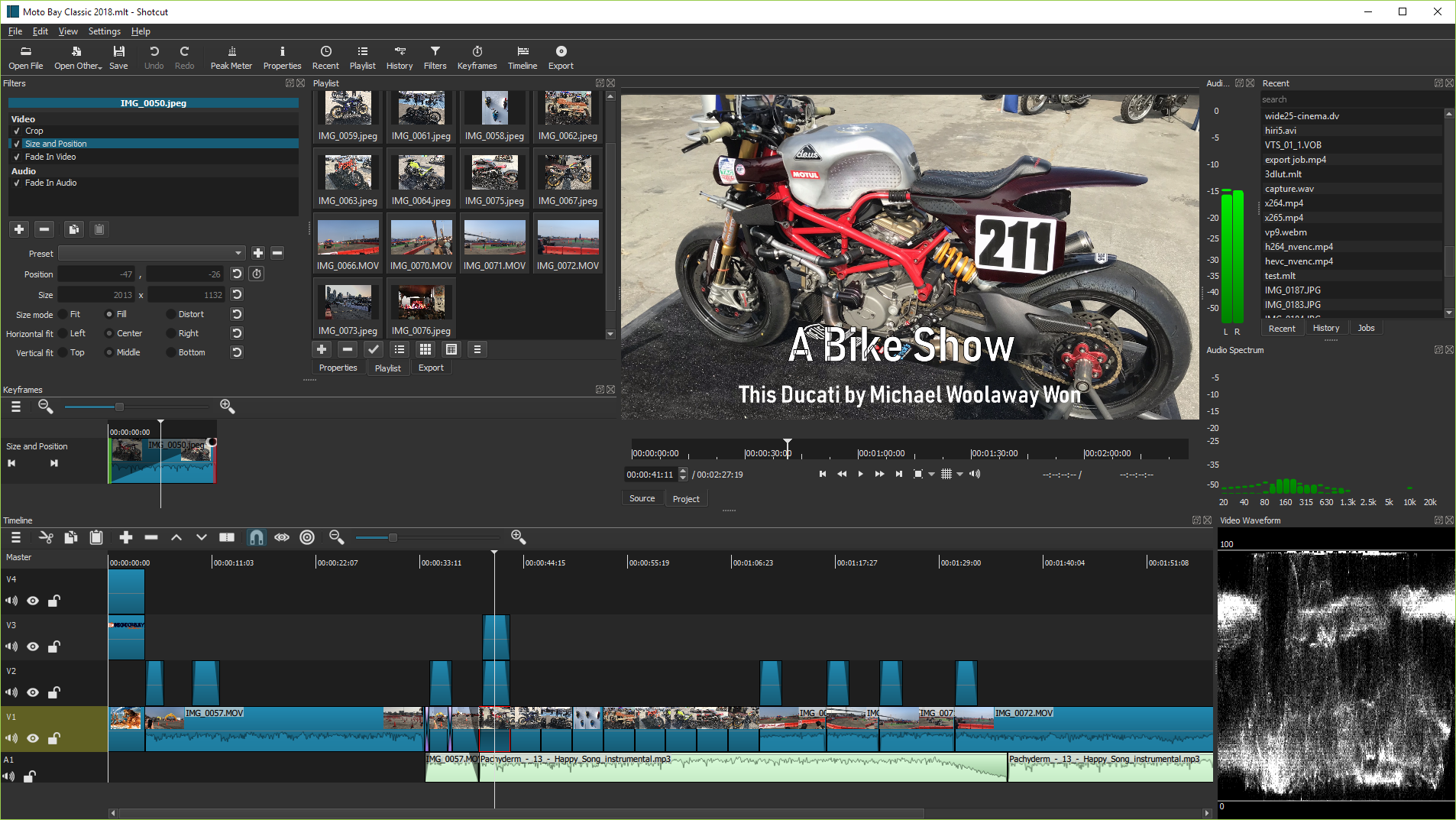
Shotcut was originally conceived in November, 2004 by Charlie Yates, an MLT co-founder and the original lead developer (see the original website). The current version of Shotcut is a complete rewrite by Dan Dennedy, another MLT co-founder and its current lead. Dan wanted to create a new editor based on MLT and he chose to reuse the Shotcut name since he liked it so much. He wanted to make something to exercise the new cross-platform capabilities of MLT especially in conjunction with the WebVfx and Movit plugins.
Lead Developer of Shotcut and MLT