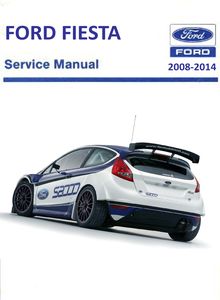
Ford Fiesta Mark VII (Seventh generation) Body Repair Manual с бензиновыми двигателями: 1.0 л Duratec Ti-VCT (998 см³) 80 л.с./59 кВт, 1.0 л EcoBoost (998 см³) 100-125 л.с./74-92 кВт, 1.25 л Duratec (1242 см³) 60-82 л.с./44-60 кВт, 1.4 л Duratec-16V (Sigma) (1388 см³) 96 л.с./71 кВт, 1.5 л Duratec Ti-VCT (1499 см³) 112 л.с./82 кВт, 1.6 л Duratec-16V Ti-VCT (Sigma) (1596 см³) 120 л.с./88 кВт, 1.6 л EcoBoost Ti-VCT (1598 см³) 199 л.с./146 кВт и дизельными 1.4 л Duratorq-TDCi (DV) (1398 см³) 68 л.с./50 кВт, 1.6 л Duratorq-TDCi (DV)/ECOnetic (1560 см³) 75-90-95 л.с./55-66-70 кВт; Профессиональное руководство для СТО по техническому обслуживанию и ремонту кузова, демонтаж и сборка кузовного оборудования, сварочные работы, замена панелей и методы восстановления геометрии, особенности конструкции, контрольные размеры. Форд Фиеста с кузовами пяти- и трехдверный хэтчбек модели шестого/седьмого поколения выпуска с 2008 по 2014 год


Безопасный доступ в мир Web3: преимущества торговли на Binance P2P
 
ЕСЛИ ВЫ ВИДИТЕ ОШИБКУ 406 Not Acceptable и не видите документ, то скорей всего у Вас IP РФ и его надо сменить, на любой другой страны, с помощью VPN ( Scribd и SlideShare блокируют посетителей с Российским IP).


Today, understanding the machinery behind entertainment and media content is not just for studio executives—it is essential for marketers, creators, and consumers navigating the "Attention Economy." To understand the present, we must look at the recent past. For fifty years, entertainment and media content followed a "water cooler" model. Broadcast networks (NBC, CBS, BBC) and major movie studios acted as gatekeepers. They decided what the public would see, hear, and read. Audiences were large, passive, and homogenous.

The internet changed the distribution model, but the smartphone changed the consumption model. With the rise of streaming services like Netflix, Spotify, and YouTube, the definition of entertainment and media content expanded to include user-generated videos, podcasts, and short-form vertical clips.

For creators and businesses, the rule is simple: in a sea of infinite noise, value is no longer found in the loudest voice, but in the most authentic connection. As technology accelerates, the human desire for a good story remains the only constant. The medium changes; the need for entertainment does not. To succeed in the modern landscape of entertainment and media content, one must stop thinking like a broadcaster and start thinking like a community manager. Serve the niche, respect the algorithm, but never forget the human heart.

In the digital age, the phrase "entertainment and media content" has evolved from a simple industry descriptor into a living ecosystem that dictates how billions of people spend their waking hours. Once defined by the triopoly of cinema, radio, and print, the landscape of entertainment and media content has shattered into a billion screens, each playing a personalized feed designed to capture attention, evoke emotion, and retain loyalty.

We moved from (everyone watching the M A S H* finale) to polyculture (millions of niche communities watching specific ASMR creators, V-tubers, or true crime docuseries). The result? Consumers have never had more power, yet creators have never faced fiercer competition for a shrinking slice of human attention. The Core Pillars of Modern Content Today, "entertainment and media content" is not a single entity but a convergence of several distinct formats: 1. Streaming Video on Demand (SVOD) Once a disruptor, SVOD is now the incumbent. Giants like Netflix, Disney+, and Max compete not just on library size but on "cultural relevance." The goal is to produce binge-worthy originals that generate social media chatter. However, the "streaming wars" have led to a paradox: content abundance fatigue. Viewers spend more time scrolling (searching for what to watch) than actually watching. 2. Audio and Podcasting Spotify and Apple Podcasts have transformed audio entertainment. Unlike visual media, audio is a companion medium. It fills the gaps of driving, cleaning, and exercising. The rise of conversational podcasts (from The Joe Rogan Experience to Call Her Daddy ) proves that audiences crave unfiltered, long-form intimacy over polished radio production. 3. Short-Form Vertical Video TikTok, Instagram Reels, and YouTube Shorts have rewired the brain’s reward system. This genre of entertainment and media content relies on velocity. A creator has three seconds to hook a viewer. Music, effects, and rapid pacing are not embellishments; they are structural necessities. For Gen Z, the "scroll" is the primary form of entertainment. 4. Interactive and Gaming The lines are blurring. Fortnite isn't just a game; it is a concert venue, a movie trailer platform, and a social hub. Interactive entertainment and media content (choose-your-own-adventure Netflix specials, immersive theater, AR filters) engages the user as a participant, not a spectator. The Algorithm as Curator The most significant shift in the last decade is the delegation of taste to algorithms. Historically, human editors selected entertainment and media content for the front page. Now, machine learning models analyze your watch time, skip rates, and re-watches to serve you the next piece of content.

Jvrporn+tazuko+mineno+everyone+likes+this+b+link [UPDATED]

Today, understanding the machinery behind entertainment and media content is not just for studio executives—it is essential for marketers, creators, and consumers navigating the "Attention Economy." To understand the present, we must look at the recent past. For fifty years, entertainment and media content followed a "water cooler" model. Broadcast networks (NBC, CBS, BBC) and major movie studios acted as gatekeepers. They decided what the public would see, hear, and read. Audiences were large, passive, and homogenous.

The internet changed the distribution model, but the smartphone changed the consumption model. With the rise of streaming services like Netflix, Spotify, and YouTube, the definition of entertainment and media content expanded to include user-generated videos, podcasts, and short-form vertical clips. jvrporn+tazuko+mineno+everyone+likes+this+b+link

For creators and businesses, the rule is simple: in a sea of infinite noise, value is no longer found in the loudest voice, but in the most authentic connection. As technology accelerates, the human desire for a good story remains the only constant. The medium changes; the need for entertainment does not. To succeed in the modern landscape of entertainment and media content, one must stop thinking like a broadcaster and start thinking like a community manager. Serve the niche, respect the algorithm, but never forget the human heart. They decided what the public would see, hear, and read

In the digital age, the phrase "entertainment and media content" has evolved from a simple industry descriptor into a living ecosystem that dictates how billions of people spend their waking hours. Once defined by the triopoly of cinema, radio, and print, the landscape of entertainment and media content has shattered into a billion screens, each playing a personalized feed designed to capture attention, evoke emotion, and retain loyalty. With the rise of streaming services like Netflix,

We moved from (everyone watching the M A S H* finale) to polyculture (millions of niche communities watching specific ASMR creators, V-tubers, or true crime docuseries). The result? Consumers have never had more power, yet creators have never faced fiercer competition for a shrinking slice of human attention. The Core Pillars of Modern Content Today, "entertainment and media content" is not a single entity but a convergence of several distinct formats: 1. Streaming Video on Demand (SVOD) Once a disruptor, SVOD is now the incumbent. Giants like Netflix, Disney+, and Max compete not just on library size but on "cultural relevance." The goal is to produce binge-worthy originals that generate social media chatter. However, the "streaming wars" have led to a paradox: content abundance fatigue. Viewers spend more time scrolling (searching for what to watch) than actually watching. 2. Audio and Podcasting Spotify and Apple Podcasts have transformed audio entertainment. Unlike visual media, audio is a companion medium. It fills the gaps of driving, cleaning, and exercising. The rise of conversational podcasts (from The Joe Rogan Experience to Call Her Daddy ) proves that audiences crave unfiltered, long-form intimacy over polished radio production. 3. Short-Form Vertical Video TikTok, Instagram Reels, and YouTube Shorts have rewired the brain’s reward system. This genre of entertainment and media content relies on velocity. A creator has three seconds to hook a viewer. Music, effects, and rapid pacing are not embellishments; they are structural necessities. For Gen Z, the "scroll" is the primary form of entertainment. 4. Interactive and Gaming The lines are blurring. Fortnite isn't just a game; it is a concert venue, a movie trailer platform, and a social hub. Interactive entertainment and media content (choose-your-own-adventure Netflix specials, immersive theater, AR filters) engages the user as a participant, not a spectator. The Algorithm as Curator The most significant shift in the last decade is the delegation of taste to algorithms. Historically, human editors selected entertainment and media content for the front page. Now, machine learning models analyze your watch time, skip rates, and re-watches to serve you the next piece of content.

О Книге

  • Название: Ford Fiesta Body Repair Manual
  • Бензиновые двигатели: 1.0 л Duratec Ti-VCT (998 см³) 80 л.с./59 кВт, 1.0 л EcoBoost (998 см³) 100-125 л.с./74-92 кВт, 1.25 л Duratec (1242 см³) 60-82 л.с./44-60 кВт, 1.4 л Duratec-16V (Sigma) (1388 см³) 96 л.с./71 кВт, 1.5 л Duratec Ti-VCT (1499 см³) 112 л.с./82 кВт, 1.6 л Duratec-16V Ti-VCT (Sigma) (1596 см³) 120 л.с./88 кВт, 1.6 л EcoBoost Ti-VCT (1598 см³) 199 л.с./146 кВт и дизельными 1.4 л Duratorq-TDCi (DV) (1398 см³) 68 л.с./50 кВт, 1.6 л Duratorq-TDCi (DV)/ECOnetic (1560 см³) 75-90-95 л.с./55-66-70 кВт
  • Выпуск с 2008 года
  • Серия: «Workshop Manual»
  • Год издания: 2008
  • Автор: Коллектив авторов
  • Издательство: «Ford Motor Company»
  • Формат: PDF
  • Страниц в книге: 485
  • Размер: 18.72 МБ
  • Язык: Английский - Graecum est, non legitur
  • Количество электросхем: 1
Ford Fiesta с 2008 Body Repair Manual