



Try it for free and see how you can learn how to distinguish

With every purchase in
Try it for free and see how you can learn how to distinguish
With every purchase in
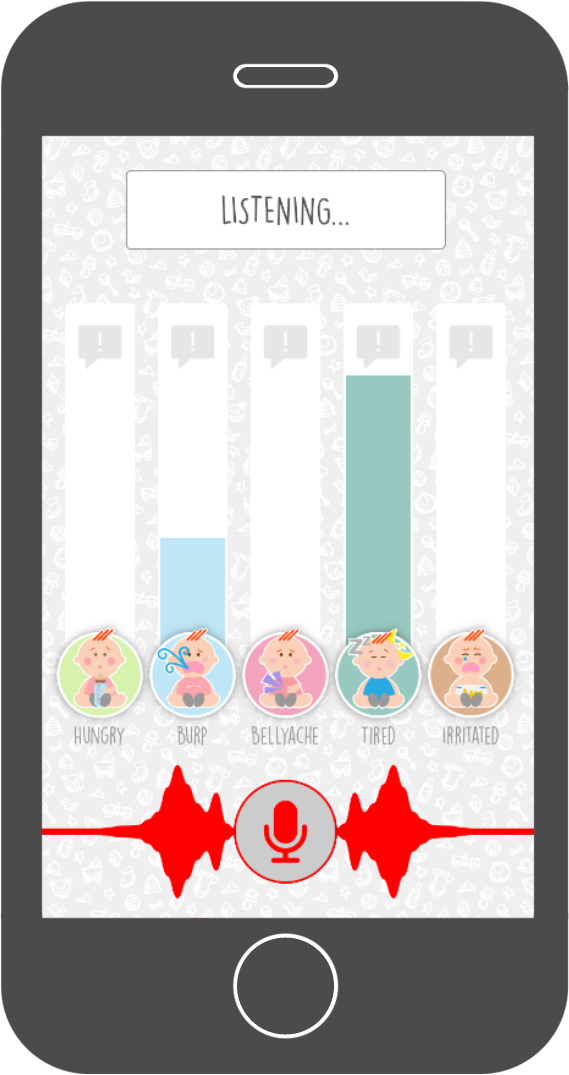
The Baby Language app teaches you the ability to distinguish different types of baby cries yourself. It comes with a support tool to help you in the first period when learning to distinguish baby cries. It points you in the right direction by real-time distinguishing baby cries and translating them into understandable language.
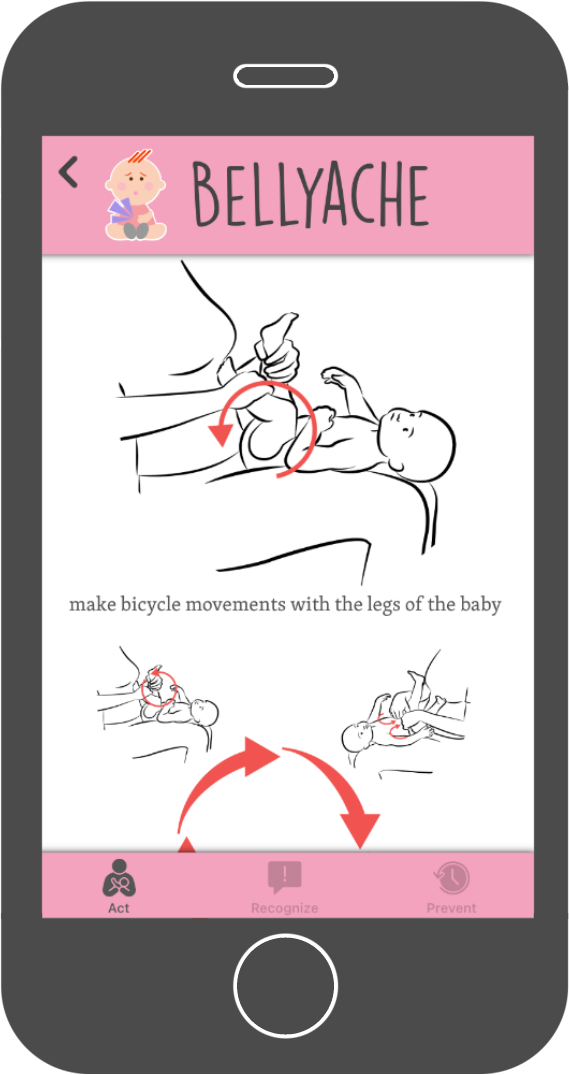 The Baby Language app shows you many different ways on how to handle each specific cry. It provides you with lots of information and illustrations on how to prevent or reduce all different kind of cries.
In the world of typography, the difference between a good project and a great one often comes down to the invisible decisions: spacing, weight distribution, and legibility under stress. For years, designers have relied on the original Bliss family — a humanist sans-serif praised for its friendly geometry and British charm. However, as design contexts have shifted from print-first to browser-first, the original Bliss began to show its age.
Bliss 2 finds the "Goldilocks zone." Tankard refined the terminals (the ends of strokes) to be less abrupt. The diagonal stress in the ‘o’ and ‘p’ is more pronounced, giving the typeface a rhythmic flow that most modern neo-grotesques lack.
The new family includes a staggering range of weights: Thin, ExtraLight, Light, Regular, Medium, SemiBold, Bold, ExtraBold, and Black—each with true-drawn italics.

Founder and Developer

UI/UX Designer

Dutch translator
and coordinator

Webdesigner bliss 2 font family better

Spanish translator

French translator

Italian translator In the world of typography, the difference between

German translator

Indonesian translator

Portuguese translator Bliss 2 finds the "Goldilocks zone

Russian translator

3D Graphic artist

Arabic translator
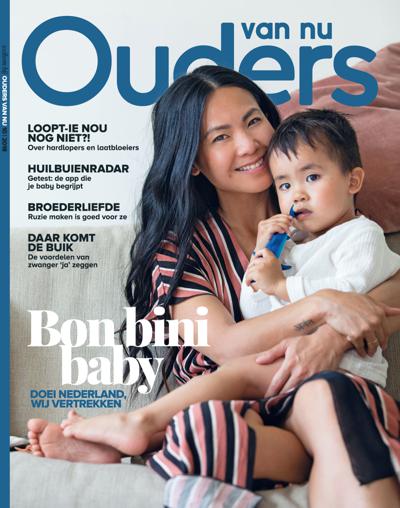
Magazine
Thanks to Baby Language I really got to know my child better. I now know how to find out what is bothering him and more important; How to prevent his inconveniences. He hardly cries
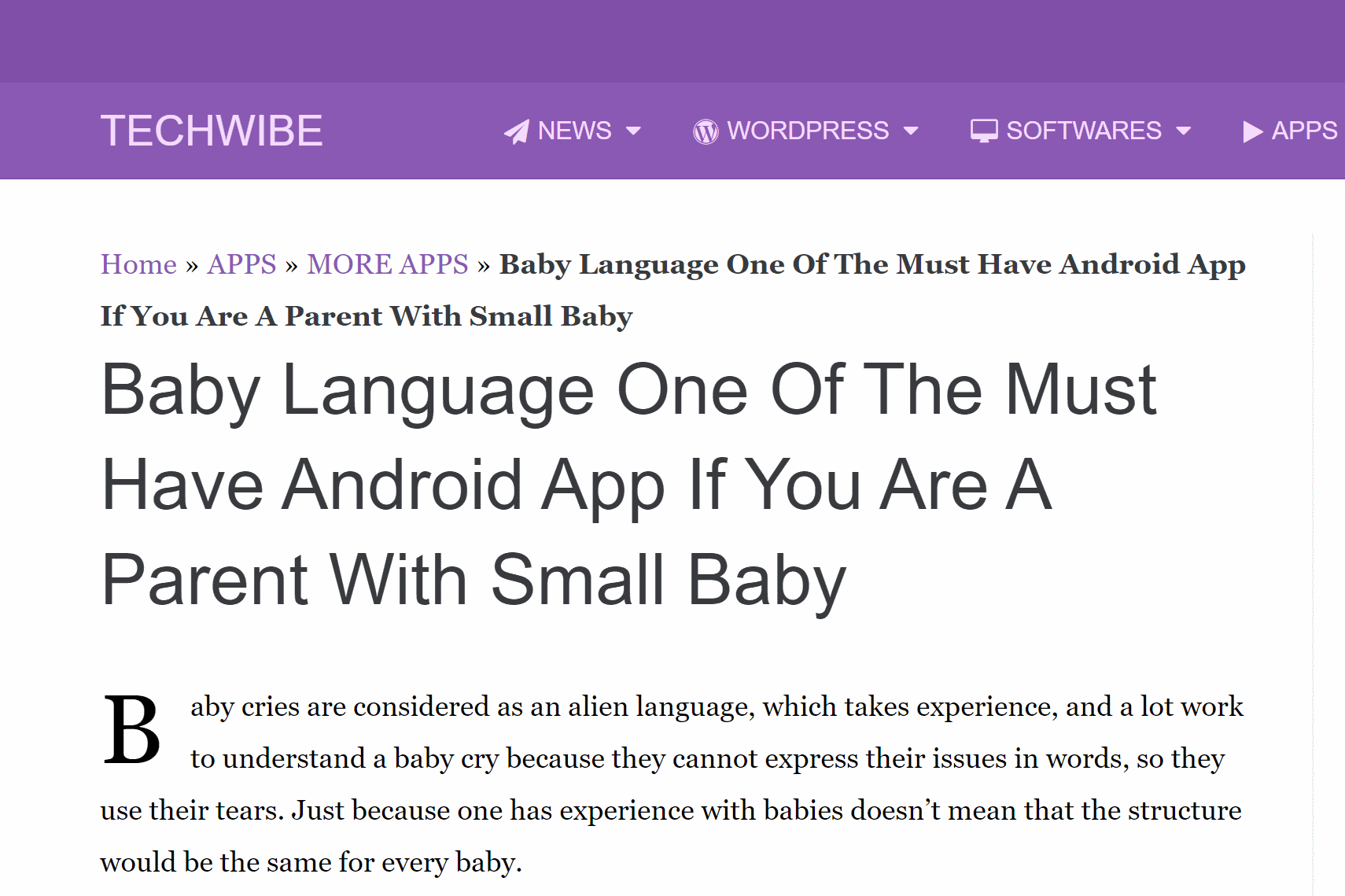
Technology News Website
Baby Language one of the must have
if you are a parent with small
TechWibe
In the world of typography, the difference between a good project and a great one often comes down to the invisible decisions: spacing, weight distribution, and legibility under stress. For years, designers have relied on the original Bliss family — a humanist sans-serif praised for its friendly geometry and British charm. However, as design contexts have shifted from print-first to browser-first, the original Bliss began to show its age.
Bliss 2 finds the "Goldilocks zone." Tankard refined the terminals (the ends of strokes) to be less abrupt. The diagonal stress in the ‘o’ and ‘p’ is more pronounced, giving the typeface a rhythmic flow that most modern neo-grotesques lack.
The new family includes a staggering range of weights: Thin, ExtraLight, Light, Regular, Medium, SemiBold, Bold, ExtraBold, and Black—each with true-drawn italics.